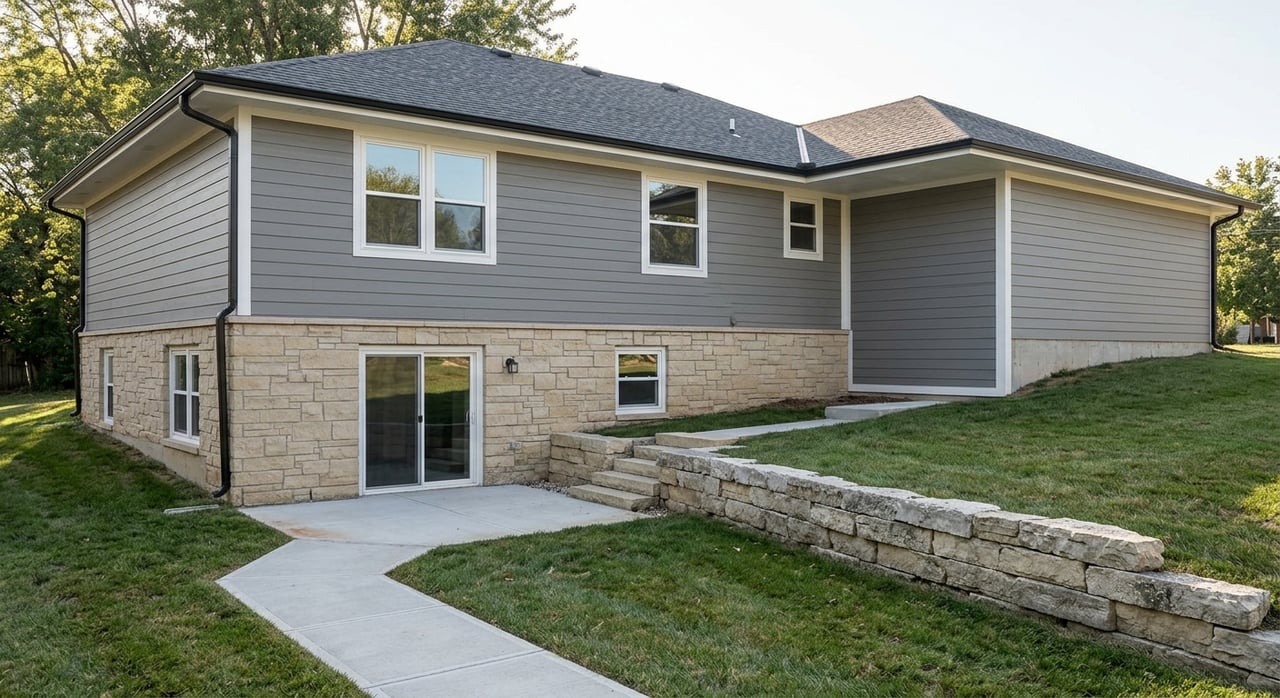
Thinking about buying a river valley home in Houston County? It can be an exciting move, but it also comes with a different set of questions than a typical in-town purchase. If you want a home near bluffs, woods, water, or open land, you need to look beyond the house itself and understand the lot, utilities, and local rules. This guide will help you focus on the details that matter most so you can buy with more clarity and confidence. Let’s dive in.
Why Houston County Feels Different
Houston County is a small, rural county in southeastern Minnesota with an estimated 18,352 residents in 2024 spread across 552.04 square miles of land. With about 34.1 people per square mile, the county offers a more spacious, less densely built environment than many suburban markets. For many buyers, that is part of the appeal.
The housing market here also tends to be more established than newly built. Owner-occupied housing makes up 83.4% of housing units, and the median value of owner-occupied homes is $239,000. County and Census information suggest you should expect older housing stock and fewer large new subdivisions, which means property condition, updates, and lot features deserve close attention.
River Valley Lots Need Closer Review
In Houston County, the land can shape your buying decision just as much as the home. This is part of Minnesota’s Driftless Region, an area known for rolling terrain, bluffs, hardwood forest, bluff prairie, oak savanna, and farmland. That landscape creates scenic settings, but it can also mean sloped lots, irregular parcel lines, wooded sections, and site-specific building limits.
County assessment records show how detailed local parcel features can be. Records may include waterfront footage along the Mississippi River, ledge-front footage near Brownsville, city lot frontage, well sites, electric-only sites, woods, pasture, tillable acres, decks, patios, and other land characteristics. In practical terms, two homes with similar square footage can offer very different ownership experiences depending on the lot.
Before you get too attached to a property, take time to understand how the site works. A river valley parcel may require more due diligence than a standard neighborhood lot.
Start With Parcel Records and Aerials
One of the smartest first steps is reviewing county parcel data before or alongside your home search. Houston County’s Beacon and GIS tools provide land and building information, sales history, valuation statements, tax statements, and aerial photography. That can help you spot issues or opportunities before you tour.
Look closely at things like parcel shape, tree coverage, access points, outbuildings, and how the home sits on the land. Aerial imagery can also help you understand nearby creeks, steep grades, or how close the home is to the river. When you are comparing multiple properties, this information can quickly show which homes may need more follow-up.
Floodplain and Shoreland Matter Early
If you are shopping near the Root River, the Mississippi River, or smaller creeks, floodplain and shoreland review should happen early in the process. Houston County’s emergency planning documents note that the Root River runs through the northern part of the county and borders Houston and Hokah, while the Mississippi River forms the county’s eastern edge. Smaller creeks can also grow quickly during heavy rain.
Houston County zoning oversees floodplain and shoreland rules, so it is important to verify a parcel’s status with local officials before making assumptions. A lot that looks ideal on first visit may come with restrictions that affect additions, rebuilding, grading, or exterior improvements.
Minnesota shoreland rules can also limit how a property is used. According to the DNR, shoreland rules may limit impervious surface coverage to 25 percent of a lot, restrict building placement and height, and limit vegetation clearing and grading. Low-lying structures may also need elevation or floodproofing.
Questions to ask about floodplain and shoreland
- Is any part of the parcel in a mapped floodplain?
- Are there shoreland setbacks that affect future projects?
- Are there limits on grading, tree clearing, or hard-surface coverage?
- Has the property had past permits for additions, decks, or site work?
- If the lot is sloped, how is drainage managed?
Wells and Septic Are Common on Rural Parcels
Outside many city-served areas, private utilities are part of the ownership picture. Houston County’s emergency plan says most city residents receive public water, while township water is typically from individual wells. Much of the remaining county area uses septic tanks or leach fields.
That means you should not treat well and septic questions as minor details. Ask for maintenance records, permit history, and disclosure documents early. If the home relies on private systems, specialized inspections can be just as important as the general home inspection.
The Minnesota Department of Health says private well owners should test for coliform bacteria every year, nitrate every other year, and arsenic and lead at least once. MDH also says manganese should be tested before a baby drinks the water, and well disclosure at property transfer is required by state law.
Local septic oversight also matters. The Minnesota Pollution Control Agency notes that septic programs are administered by local governments, and Houston County zoning provides septic permit applications and information about low-income septic cost-share resources. Some jurisdictions may require compliance inspections before transfer, so this is worth confirming early in your buying timeline.
What to ask for on a well or septic property
- Well disclosure documents
- Recent water test results
- Septic maintenance or pumping records
- Any septic compliance documents or permit history
- The age and location of the systems, if known
Radon Should Be in Your Inspection Plan
Radon testing is an important step for any Minnesota home purchase, including homes in Houston County. The Minnesota Department of Health strongly recommends that all homebuyers have an indoor radon test performed before purchase or occupancy. MDH also states that radon is a leading cause of lung cancer in nonsmokers.
Because radon is odorless and invisible, you cannot judge risk based on appearance or location alone. Build the test into your inspection period so you have time to review results and next steps if needed. It is a simple step that can give you better information before closing.
Slope, Drainage, and Access Deserve Extra Attention
A beautiful bluff or wooded setting can be a major draw, but it can also create maintenance and design considerations. In a river valley setting, slope, runoff, and erosion may affect everything from driveway wear to yard usability to future improvement plans. Even a home with a strong interior can become more complicated if site conditions are not well understood.
When you visit a property, look at how water appears to move across the land. Notice retaining areas, low spots, exposed soil, and whether the driveway or access points seem affected by grade. If the lot is wooded or near water, ask about vegetation management, erosion concerns, and any restrictions on grading or surface coverage.
Lifestyle Appeal Is a Big Part of the Draw
For many buyers, Houston County’s outdoor access is one of the biggest reasons to consider a move here. The Root River State Trail runs 42 paved miles from Fountain to Houston and is generally level except for a steep half-mile segment between Vinegar Ridge and Houston. Houston trail access is at the Nature Center and includes restrooms.
The Root River State Water Trail also adds to the area’s appeal, with routes that pass bluffs and rock outcrops. The DNR advises caution near the Brightsdale Dam area, which is a reminder that recreation and natural beauty often come with practical safety considerations too.
Beaver Creek Valley State Park offers another major outdoor amenity in the county, with limestone bluffs, a trout stream, trails, and camping. County parks also highlight Wildcat Park and Landing south of Brownsville, which includes 62 campsites, three picnic shelters, two boat landings, and a fishing pier. If you want a home base for an outdoor lifestyle, these features can be a meaningful part of your search.
Services and Daily Logistics
Rural beauty is important, but so is understanding where everyday services are located. In Houston County, many county services are centered in Caledonia, including the assessor, auditor-treasurer, recorder, zoning and planning, public health, extension, veterans services, and other offices. Knowing where these offices are can make due diligence and post-closing ownership easier.
The county also lists public libraries in Caledonia, Hokah, Houston, and Spring Grove, along with school districts in Caledonia, Houston, La Crescent, and Spring Grove. As you compare homes, think about how often you may need to access services, supplies, and community resources. In a spread-out county, drive patterns can matter more than you expect.
A Smart Buying Strategy for Houston County
Buying a river valley home here is often about asking better questions, not just moving faster. The setting can be beautiful, but the right purchase usually comes from understanding the property as a full package: house, land, utilities, regulations, and maintenance needs.
A strong process can help you avoid surprises. Focus on the parcel data first, verify local zoning conditions early, and use inspections to learn as much as possible about wells, septic, radon, drainage, and site constraints. When you do that, you are in a much better position to choose a property that fits both your goals and your comfort level.
If you are planning a move in the Driftless Region and want thoughtful guidance from a team that knows how to navigate unique properties, Favre & Co. is here to help you buy with confidence.
FAQs
What makes buying a river valley home in Houston County different?
- River valley homes in Houston County often involve more than house condition alone. Lot shape, slope, wooded land, floodplain status, shoreland rules, and private utilities can all play a major role in the property’s value and usability.
What should you check before buying land or a home near the Root River or Mississippi River in Houston County?
- You should confirm floodplain and shoreland status with Houston County zoning early in the process. It is also wise to review parcel maps, aerial photography, drainage patterns, and any restrictions on grading, vegetation clearing, or hard-surface coverage.
What utility issues are common with rural homes in Houston County?
- Many rural properties rely on private wells and septic systems rather than public utilities. You should ask for well disclosures, water test results, septic records, permit history, and any available compliance information before closing.
Why is radon testing important when buying a home in Houston County, Minnesota?
- The Minnesota Department of Health recommends radon testing for all homebuyers before purchase or occupancy. Radon is a leading cause of lung cancer in nonsmokers, so testing during the inspection period is an important step.
How can you research a Houston County property before touring it?
- Houston County’s Beacon and GIS tools can help you review parcel shape, aerial images, sales history, valuation, tax statements, and land features before you visit a property. That early review can help you spot potential concerns and ask better questions.
What outdoor amenities add to the appeal of living in Houston County?
- Houston County offers access to the Root River State Trail, the Root River State Water Trail, Beaver Creek Valley State Park, and Wildcat Park and Landing. These features make the area especially appealing for buyers who value recreation and scenic surroundings.