Dreaming about a first home with room to breathe, quick access to trails, and a payment that fits your budget? If the Driftless lifestyle speaks to you, Vernon County can be a smart place to start. You want clear numbers, realistic expectations, and a plan that helps you avoid surprises. This guide walks you through prices, towns to watch, financing options, Driftless-specific inspections, commute tips, and a step-by-step path to keys in hand. Let’s dive in.
Why Vernon County feels affordable
Recent market trackers place typical Vernon County home values in roughly the 200,000 to 240,000 dollar range, with variation by town and property type. Different data providers use different methods and time windows, so you will see a range rather than one exact number. Smaller towns can show bigger swings month to month because there are fewer sales.
The big picture is steady affordability. U.S. Census QuickFacts shows a high owner-occupancy rate and a median value of owner-occupied homes that is lower than larger Wisconsin metros. That helps explain why buyers who prioritize space, outdoor access, and small-town living often find better entry points here than in city markets. You can explore county-level context on the Census page for Vernon County QuickFacts for details on tenure, home values, commute times, and broadband access. See Census QuickFacts.
What “entry-level” means locally
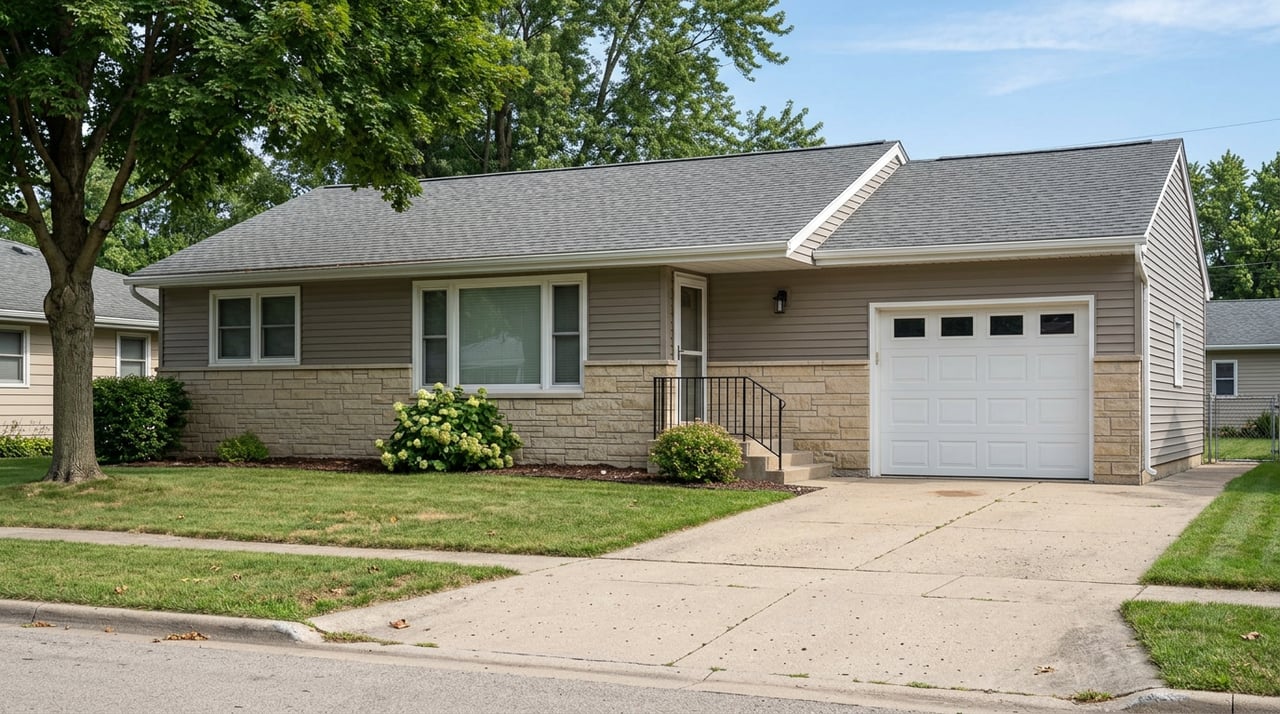
A practical first-time buyer budget often falls between about 175,000 and 260,000 dollars, depending on condition, size, and location. Village homes in places like Viroqua, Westby, Cashton, Coon Valley, La Farge, Viola, and Readstown tend to offer easier financing and municipal utilities. Rural homes and small farmettes can trade at appealing prices per acre but may require added diligence on wells, septic systems, driveways, and maintenance.
Where to look: towns and property types
You will mostly find single-family homes across the county, with a mix of older village houses, ranches, farmhouses, and occasional small multifamily buildings in village centers. Some manufactured homes and small acreage properties appear as well. Owner-occupancy is high compared to many urban counties, which contributes to long-term stability. Review county-level housing context.
- Viroqua and Westby: popular small-town centers with more listings tied to municipal water and sewer, plus walkable amenities.
- Cashton, Coon Valley, La Farge, Viola, Readstown: smaller villages that can offer budget-friendly options when inventory is available.
- Rural farmettes and scattered homes: attractive land and views, with private wells and septic systems that require added inspections and budgeting.
What to expect in older homes
Many entry-level homes here were built decades ago. That can mean charm and lower purchase prices, but also older systems. You should plan for potential updates to electrical, plumbing, HVAC, insulation, windows, and roofing. If the home was built before 1978, expect a lead-based paint disclosure and budget for safe renovation practices where needed.
A thorough home inspection helps you understand what is urgent versus what can wait. It also supports strong negotiations if the inspector finds material issues.
Driftless-specific due diligence
Wells, septic, and karst geology
Vernon County sits in the Driftless area, where karst bedrock and shallow soils can increase groundwater vulnerability. Buyers on private wells should plan to test for bacteria, coliform, and nitrate, and consider metals screening if a recent panel is not available. The Wisconsin Geological and Natural History Survey explains how karst affects groundwater behavior. Learn about karst and groundwater.
Local well-testing initiatives in the Driftless have found a meaningful share of wells with elevated nitrate and occasional coliform. That makes pre-closing testing a must for rural homes. See local well testing findings.
If a property has a private septic system, verify age, permits, maintenance records, and replacement rules with the county sanitarian. Ask for a septic inspection and any available soil or percolation history.
Radon testing in Wisconsin
Wisconsin has notable radon potential, and testing is simple and inexpensive. Include a radon test in your inspection window, then budget for mitigation if levels are elevated. The state operates regional Radon Information Centers that provide guidance and low-cost kits. Find radon resources.
Flood history and drainage
Parts of the county, especially along the Kickapoo River valley and in floodplains, have seen significant flooding. The August 2018 event is a recent example that underscores why floodplain checks matter. If you are considering a home near a stream or in a low-lying area, review FEMA flood maps, ask for elevation information, and get quotes for flood insurance early. Read about the 2018 flooding.
Broadband and cell service
Connectivity is improving but can vary by location. Census QuickFacts shows county broadband access rates below large urban counties. If remote work is important to you, confirm wired internet options and cell coverage at the address before you write an offer. Check county broadband context.
Commuting and transit
Many buyers in Vernon County commute to job centers like La Crosse, Sparta, or Tomah. The county’s mean travel time to work compares favorably with larger metros, but your door-to-door time will depend on your town and route. From many Vernon County communities to La Crosse, plan for about 40 to 60 minutes by car, adjusting for weather and traffic. See commute-time context on Census QuickFacts.
A regional commuter bus, SMRT, connects La Crosse with Viroqua, Westby, Coon Valley, and other stops. Coverage can be limited at nights and on weekends, so always confirm current schedules if you will rely on transit. Review a regional SMRT study reference.
Financing options to explore
You have several strong paths as a first-time buyer:
- WHEDA Advantage first mortgages with down payment assistance options like Easy Close or Capital Access. These programs can reduce upfront cash needs for income-qualified buyers and are used widely in small communities. Work with a WHEDA-approved lender to confirm eligibility and how to stack assistance. See a WHEDA program update.
- Conventional, FHA, and VA loans. Conventional and FHA are common across price points. VA offers favorable terms for eligible veterans and service members.
- USDA Rural Development loans. Many Vernon County properties can qualify for low or zero down, but eligibility is determined at the property level. Ask your lender to check the USDA property-eligibility tool for any address you are considering.
- Homebuyer education and counseling. WHEDA’s network can connect you to pre-purchase counseling that strengthens your application and helps you build a realistic budget. Find counseling resources.
Budget for ongoing costs
Beyond your mortgage, plan for:
- Property taxes. Review recent tax bills and mill rates with your agent and your lender’s estimates. The county’s median home value provides a helpful starting point when modeling your payment. See Census overview.
- Insurance. Standard homeowners insurance, plus flood coverage if the property is in or near a mapped flood zone.
- Utilities and services. Rural homes often have private wells and septic systems that need periodic maintenance, testing, and eventual replacement. Local testing has shown why well checks are a smart annual habit. Learn more about local well findings.
- Maintenance. Older roofs, windows, HVAC, and insulation are common. Set aside a monthly reserve for repairs and upgrades.
Build a smart search plan
Start with a preapproval and a clear budget, then run two parallel tracks:
- Village search. Focus on homes with municipal water and sewer, shorter commutes, and simpler inspections.
- Rural search. Consider small acreages and farmettes with attractive price-per-acre potential. Bake in due diligence for wells, septic, access, and outbuildings.
Set your non-negotiables early. Think distance to work, internet needs, garage or workshop space, and whether municipal services are a must.
Inspection and contingency checklist
Include these protections in your offer when possible:
- General home inspection by a licensed inspector covering structure, roof, HVAC, electrical, and plumbing.
- Private well testing for bacteria, coliform, and nitrate. Add metals or arsenic screening if recent lab work is not available. Local testing underscores why this matters in the Driftless. See well testing context.
- Septic inspection and records review with age, permits, and any soil or percolation documentation.
- Radon test during the contingency window. Mitigation is straightforward if needed. Find Wisconsin radon resources.
- Flood and elevation review for homes near streams or in valleys. Ask about flood history, mitigation improvements, and insurance. Read about the 2018 Kickapoo floods.
- Lead paint disclosure for pre-1978 homes and targeted checks for older wiring, insulation, or code updates.
Timeline: from prep to keys
- Financial prep and preapproval: 1 to 4 weeks. Include conversations with WHEDA-approved lenders if you plan to use assistance.
- Active search: 1 to 6 months, depending on town, price range, and inventory.
- Offer to closing: 30 to 45 days is common with financing and standard inspections. Allow extra time if you add specialized testing for wells, septic, radon, or lead.
Life in the Driftless: value beyond price
The Driftless landscape delivers steep bluffs, trout streams, backroad cycling, and a friendly small-town rhythm. Lower purchase prices can come with tradeoffs like a longer commute or more hands-on home maintenance, but many buyers feel the outdoor access and community life are worth it. Get a feel for the region’s identity and recreation. Explore the Driftless character.
Why buyers choose Favre & Co.
You deserve clear guidance and quick answers, especially on your first purchase. Our Onalaska-based team serves the greater La Crosse region, including Vernon County villages and rural properties. We combine local market insight with responsive buyer representation, patient education, virtual-showing support, and steady coordination from offer through closing. If you want a calm, step-by-step experience and confident negotiations, we are here to help.
Ready to start? Reach out to Favre & Co. for a friendly strategy call and a custom first-time buyer plan.
FAQs
Will a rural Vernon County home qualify for a USDA loan?
- Some will, some will not. USDA eligibility is determined at the property level, so ask your lender to check the official USDA property-eligibility tool for any address you are considering.
How concerned should I be about radon and well safety in Vernon County?
- Plan to test for both during your inspection window. Wisconsin’s radon program provides testing resources, and local well studies have found elevated nitrate and occasional coliform in some wells. See radon resources and local well findings.
Do village homes require less maintenance than rural farmettes?
- Often they do in the short term because they typically have municipal water and sewer, but older village homes can still need roof, window, insulation, or system upgrades. Always inspect.
Is there year-round transit from Viroqua or Westby to La Crosse?
- A regional commuter service, SMRT, connects several Vernon County towns with La Crosse, though hours and coverage can be limited. Confirm current schedules before relying on it. Review a regional SMRT study reference.
Can WHEDA help me reduce upfront cash to buy?
- Yes, if you qualify. WHEDA offers first mortgages with down payment assistance options that can meaningfully lower your initial cash requirement. Talk with a WHEDA-approved lender and consider homebuyer counseling. Explore WHEDA programs and counseling resources.