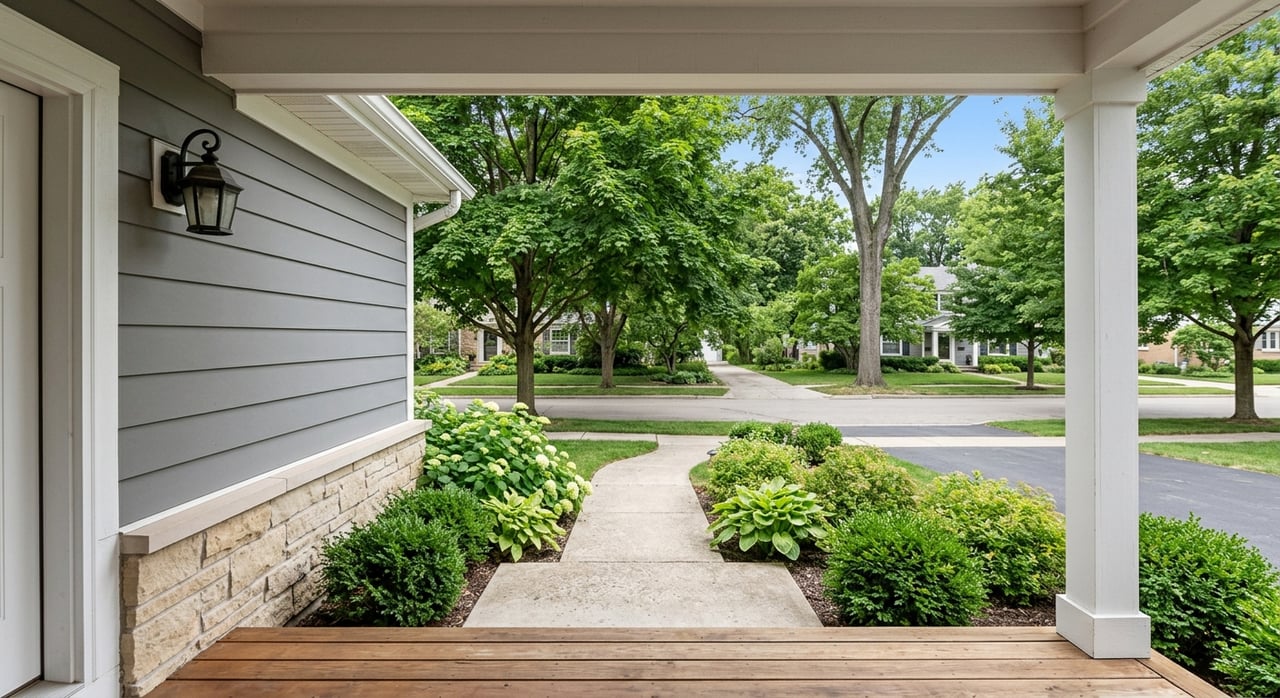
Are you picturing a home with quick trips to errands and appointments, or are you dreaming about more land, more privacy, and room to spread out? In Vernon County, that choice is not really about city versus suburb. It is more about how you want to live day to day, what kind of property upkeep you are comfortable with, and how much space you want around you. If you are weighing town living against country living, this guide will help you compare both in a practical way. Let’s dive in.
Why this choice feels different here
Vernon County is shaped by small communities, open land, and a river-rich Driftless landscape. The county’s 2024 estimated population is 31,140, and even its largest incorporated places remain relatively small, including Viroqua, Westby, and Hillsboro.
That matters because “town” and “country” do not mean the same thing here as they might in a major metro area. In Vernon County, the real difference usually comes down to access, acreage, and upkeep. You are often choosing between a more service-oriented setting and a more owner-managed property.
What in-town living can offer
For many buyers, living in an incorporated area means simpler daily logistics. You may be closer to services, appointments, and routine errands, which can make life feel more predictable and manageable.
In Vernon County, that convenience can be very practical. Hillsboro’s city utility handles water and sewer billing, and the city offers online utility payments. In Viroqua, the local clinic provides a wide range of care in one location, including family medicine, imaging, lab services, orthopedics, behavioral health, specialty care, and surgical care.
Easier utility setup
One of the biggest draws of in-town living is that some homes may be connected to municipal utilities instead of private systems. That can reduce the number of systems you need to manage yourself over time.
By comparison, Wisconsin private well owners are responsible for protecting and maintaining their wells. If you want a home that may involve fewer utility-related responsibilities, an incorporated property can be appealing.
Shorter routines
Town living often makes daily routines easier to plan. If your schedule is busy, being closer to healthcare, utility services, and other common needs can save time and reduce stress.
That does not mean every in-town home is identical. Still, many buyers like the idea of a property where the infrastructure around them feels more established and easier to navigate.
The tradeoff: less land
The convenience of town living usually comes with less acreage and less separation from nearby properties. In Vernon County, that is often the trade you are making.
If you value a simpler maintenance picture and easier access to services, that trade may feel well worth it. If privacy and outdoor space matter most, you may find yourself leaning the other way.
What country living can offer
Country living is a big part of Vernon County’s appeal. If you are drawn to the Driftless Region, rural property can offer the scenery, breathing room, and outdoor access that many buyers want.
This is a county where landscape plays a real role in lifestyle. The area includes 57 lakes and is defined by rivers like the Bad Axe, Baraboo, Kickapoo, Mississippi, and Pine. For buyers who want more space and a stronger connection to the land, that setting can be a major advantage.
More space and recreation
Rural properties often appeal to buyers who want acreage, privacy, and direct access to outdoor living. Vernon County offers strong examples of that lifestyle.
The Kickapoo Valley Reserve covers 8,569 acres between La Farge and Ontario and highlights paddling, hiking, camping, hunting, and interpretive recreation. Wildcat Mountain State Park offers camping, more than 20 miles of hiking trails, 15 miles of horse trails, overlooks, and access to paddling in Ontario.
For some buyers, those features are not just weekend perks. They are part of the reason to buy in Vernon County in the first place.
More owner responsibility
The main tradeoff with country living is maintenance. Rural homes may rely on private wells and septic systems, and those systems come with owner responsibilities.
Wisconsin guidance notes that private well owners are responsible for protecting and maintaining their wells, and private well water is recommended to be tested annually. Septic tanks should be pumped or inspected at least every three years, and buyers should ask for the servicer’s name and maintenance records before closing.
Vernon County also notes that a county sanitary permit is required for most septic work. That means a rural purchase can involve more planning, more records to review, and more ongoing care after closing.
Site-specific land rules
Country property can also come with land-use considerations that are easy to miss at first glance. A parcel may look straightforward on a map, but the rules tied to the site can shape what you can do with it.
In Vernon County’s unincorporated areas, buyers should pay attention to floodplain, shoreland, and wetland ordinances. These factors can affect future plans, improvements, and how you evaluate a property before moving forward.
Road access matters too
Another practical difference is road maintenance and access. In Wisconsin, towns are responsible for town roads, so it is smart to confirm whether a rural property fronts a town road and what that may mean for maintenance and winter access.
This can be especially important in Vernon County, where boundaries between towns, villages, and cities can be close together. It is worth verifying details instead of assuming the property functions the same as another home just a few miles away.
How to decide what fits you best
The best choice usually comes down to the kind of ownership experience you want. In Vernon County, town living and country living can both be attractive, but they ask different things from you as a homeowner.
If you value predictable services, easier day-to-day routines, and closer access to appointments, an in-town home may be the better fit. If you value privacy, land, and outdoor lifestyle benefits, a country property may be worth the added responsibility.
Town living may fit you if you want:
- Easier access to utilities and services
- Shorter trips for appointments and errands
- A more predictable routine
- Less hands-on management of private systems
- A smaller lot to maintain
Country living may fit you if you want:
- More acreage and breathing room
- Greater privacy from neighboring properties
- Stronger access to outdoor recreation
- A property tied closely to the Driftless landscape
- Comfort with well, septic, and land upkeep
Consider the middle ground
You do not always have to choose one extreme or the other. Edge-of-town parcels and homes near village limits can offer a blend of convenience and space.
That said, these properties deserve careful review. Service availability, land-use rules, and road responsibility can vary, so it is important to confirm the details before you make assumptions based on location alone.
A smart Vernon County checklist
If you are comparing homes in Vernon County, a little due diligence can go a long way. This is especially true when you are looking at acreage or homes outside incorporated areas.
Use this checklist as a starting point:
- Confirm the water source
- Ask for well records if the property uses a private well
- Ask for septic maintenance records if the property uses a private system
- Verify whether a county sanitary permit would be needed for future septic work
- Check whether the parcel is affected by floodplain, shoreland, or wetland rules
- Confirm who maintains the access road
The bottom line on town versus country
In Vernon County, this decision is less about picking a faster or slower pace of life and more about choosing the ownership model that fits you best. Town living often offers more municipal convenience and fewer system responsibilities. Country living often offers more land, more privacy, and a stronger connection to the outdoors, along with more hands-on upkeep.
If you are clear on your priorities from the start, your home search becomes much more focused. And when you understand how a property functions, not just where it sits, you can make a more confident move.
If you are exploring homes, land, or acreage in Vernon County, Favre & Co. can help you compare your options with clear, local guidance.
FAQs
What does town living in Vernon County usually mean for buyers?
- Town living in Vernon County usually means easier access to services, possible municipal utilities, and a more predictable day-to-day routine, often with less land.
What does country living in Vernon County usually mean for buyers?
- Country living in Vernon County usually means more acreage, more privacy, and stronger access to outdoor recreation, often with added responsibility for well, septic, and land upkeep.
What should buyers check on a rural Vernon County property?
- Buyers should confirm the water source, review well and septic records if applicable, check whether a county sanitary permit may be needed for future work, review floodplain or shoreland status, and confirm road maintenance responsibility.
Are Vernon County towns and cities the same thing in Wisconsin?
- No. In Wisconsin, towns are unincorporated local governments, while cities and villages operate differently and may provide a different service structure.
Why is the town-versus-country choice different in Vernon County?
- Vernon County is made up of small communities and rural landscapes, so the decision is usually about access, acreage, and upkeep rather than a typical urban-versus-suburban choice.