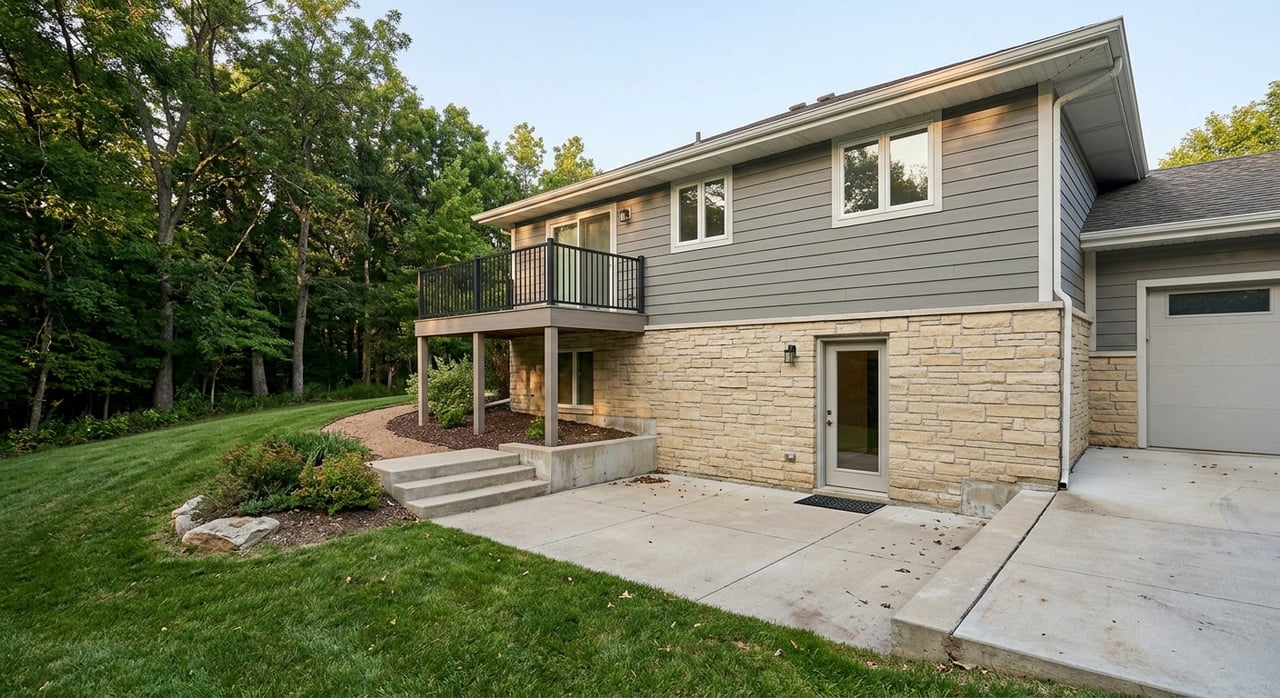
Looking for a part of Onalaska that feels scenic without feeling cut off? The bluffside areas stand out for exactly that balance. If you are thinking about moving to Onalaska or simply want a better feel for daily life there, this guide will walk you through the setting, routines, convenience, and seasonal rhythm that shape bluffside living. Let’s dive in.
What Bluffside Living Feels Like
Onalaska’s bluffside areas tend to feel wooded, layered, and visually open in a way that flat suburban areas do not. City park descriptions point to rolling topography, wooded spaces, and open views in places like Greens Coulee, Pierce Park, Valley View Park, and Meier Farm Park.
That natural setting shows up in everyday life. The city maintains more than 7,000 publicly owned trees and has been recognized as a Tree City USA community for 25 years and counting. For you, that often translates into leafy streets, established green space, and a neighborhood feel that stays connected to the landscape.
The views are not just occasional. The U.S. Fish and Wildlife Service notes that blufftop overlooks in state and local parks bordering the refuge are a common way people experience the river corridor. In practical terms, that means open vistas and elevated outlooks can be part of your normal routine, not just a weekend plan.
Outdoor Access Shapes Daily Life
One of the biggest lifestyle perks in Onalaska’s bluffside areas is how easy it is to spend time outside. Whether you like walking, biking, birding, or simply getting fresh air after work, the local park and trail system supports that kind of rhythm.
The City of Onalaska says it maintains about 400 acres of parkland and 20 miles of recreational trails. That gives you a wide mix of options, from neighborhood parks to larger destinations that support longer outings and more active recreation.
Great River State Trail
The Great River State Trail is one of the area’s standout amenities. According to the Wisconsin DNR, it is a 24-mile crushed-limestone rail trail that is open year-round, with parking available in Onalaska.
For many residents, a trail like this becomes part of weekly life. You can use it for bike rides, walks, runs, or a casual outing that gets you outdoors without needing a long drive. If you bike and are age 16 or older, the DNR says a state trail pass is required.
Refuge Trails and Overlooks
The Upper Mississippi River National Wildlife and Fish Refuge visitor center in Onalaska adds another layer to the local lifestyle. The refuge has about 2.5 miles of trails through restored prairie, along with paved accessible routes leading to the Lake Onalaska Overlook.
That variety matters because it gives you more than one kind of outdoor experience. Some days you may want a quick paved walk with a view. Other days, you may want a quieter trail experience focused on wildlife and natural surroundings.
Parks for Everyday Recreation
Onalaska also offers several park spaces that support a broader routine beyond hiking and trail use. Great River Landing connects to the Great River State Trail and downtown park amenities, while Highway 35 Wayside and Sunfish is noted by the city for great river views and the Sunfish sculpture.
Van Riper Park is another practical part of everyday life because it is home to the Aquatic Center and Omni Center. For many households, that adds flexibility. You are not limited to one kind of recreation, and it is easier to mix outdoor time with organized activities and indoor options.
Daily Convenience in Bluffside Areas
A scenic setting is great, but most buyers also want to know whether daily life feels manageable. In Onalaska’s bluffside areas, the answer is generally yes. The local pattern is about access to parks, recreation, and everyday destinations without feeling isolated.
The city participates in the DriftLink Public Transit Program, and portions of Onalaska have MTU bus service. The city also says taxi and handicapped transportation services are available throughout Onalaska.
That does not make the area feel urban in the way a dense downtown might. Instead, it suggests a practical middle ground where transit helps support mobility, while roads, trails, and neighborhood connections still play a major role in how people move around.
Folding Errands Into Your Day
One detail that stands out is the city’s bike-friendly route guide. It shows residential connections to destinations such as Menards, Sam’s Club, the YMCA, and the Omni Center pool.
For you, that can mean errands and recreation do not always have to be separate parts of the day. A quick stop at a store, a workout, and some trail time can often fit into one outing. That kind of flexibility tends to make daily life feel easier and more efficient.
What Families and Active Households Notice
If you are thinking about routines for a busy household, the bluffside areas offer more than scenic drives and trail access. Community Park, Dash Center, Van Riper Park, the Aquatic Center, and the Omni Center provide regular recreation options that go beyond the natural trail system.
That variety can make a real difference in day-to-day living. Some households want a morning walk and quiet views. Others want easy access to swimming, indoor sports, or places where kids can stay active throughout the year.
What makes Onalaska appealing is that these options work together. You are not choosing between natural beauty and community recreation. In many cases, you get both within the same local pattern.
How the Seasons Change the Rhythm
One of the most helpful things to understand before moving to a bluffside area is that the lifestyle stays active year-round, but it changes with the seasons. Summer and fall may bring more walking, biking, scenic overlooks, and water-focused outings.
The refuge lists birding, wildlife watching, photography, running, dog walking, and canoeing among regular activities. That gives you a broad set of warm-season options, especially if you enjoy spending time near the river corridor.
Winter does not shut the area down. According to the Wisconsin DNR, the Great River State Trail supports winter snowmobiling, cross-country skiing, and snowshoeing.
At the same time, winter access is not identical to summer access. The refuge notes that some trails are not maintained in winter, and some areas may be seasonally restricted to protect wildlife. For you, the takeaway is simple: outdoor access remains part of the lifestyle, but flexibility matters.
Is Bluffside Living Walkable?
This is one of the most common questions buyers have, especially if they are relocating. In Onalaska’s bluffside areas, the feel is more park-and-trail oriented than fully urban. You may find it easy to build walking and outdoor recreation into your routine, but the area is not defined by dense, block-by-block city walking.
That distinction is helpful when setting expectations. If you want quick access to trails, parks, views, and community amenities, these areas can be a strong fit. If your ideal is a highly urban environment where nearly every daily task happens on foot, the experience here is different.
Why Buyers Keep an Eye on Bluffside Areas
For many buyers, the appeal comes down to balance. Bluffside areas in Onalaska offer natural scenery, year-round recreation, and practical access to the places people use every week.
You can enjoy wooded surroundings and elevated views while still staying connected to shopping, recreation facilities, and transit support. That combination is a big reason these areas continue to attract attention from local movers and relocation buyers alike.
If you are comparing neighborhoods in and around Onalaska, it helps to look beyond the map. Pay attention to how you want your day to feel. In bluffside areas, the strongest selling point is often not one single amenity. It is the way trails, parks, views, and convenience come together in everyday life.
If you are considering a move in Onalaska or the greater La Crosse area, Favre & Co. can help you compare neighborhoods, understand what fits your routine, and move forward with confidence.
FAQs
What is everyday life like in Onalaska bluffside areas?
- Everyday life in Onalaska bluffside areas is shaped by wooded surroundings, rolling topography, open views, nearby parks, and access to trails and recreation facilities.
Are there good outdoor activities near Onalaska bluffside neighborhoods?
- Yes. The area includes the Great River State Trail, refuge trails near the Lake Onalaska Overlook, city parks, birding, walking, biking, paddling, and winter recreation options.
Are Onalaska bluffside areas convenient for errands and recreation?
- Yes. The city’s transportation and bike route information shows connections to destinations like Menards, Sam’s Club, the YMCA, and the Omni Center, along with local transit support.
Do Onalaska bluffside areas have river views?
- Yes. City park descriptions reference open views and great river views, and the refuge highlights blufftop overlooks and access to the Lake Onalaska Overlook.
Is Onalaska bluffside living active in winter?
- Yes. Winter activities include snowmobiling, cross-country skiing, and snowshoeing on the Great River State Trail, though some refuge trails may be unmaintained or seasonally restricted.
Who might enjoy living in Onalaska bluffside areas?
- Buyers who want a balance of scenery, trail access, community recreation, and everyday convenience often find these areas appealing.