Wondering if downtown condo living in La Crosse is the right move for you? It can be a great fit if you want a home that puts restaurants, shops, transit, and everyday convenience close at hand. It can also come with tradeoffs like HOA dues, shared rules, and parking questions. This guide will help you weigh the pros, the practical details, and the red flags so you can decide with confidence. Let’s dive in.
Why downtown condos appeal
Downtown La Crosse offers a lifestyle that is hard to match in many other parts of the area. The city highlights the downtown core for its walkability, local restaurants, and shops, and current planning efforts continue to support bikeability, mixed-use development, and housing growth.
If you like the idea of stepping out your door and being close to dining, errands, and events, condo living may feel very natural. For many buyers, that convenience is the biggest reason to look downtown in the first place.
What downtown condos look like
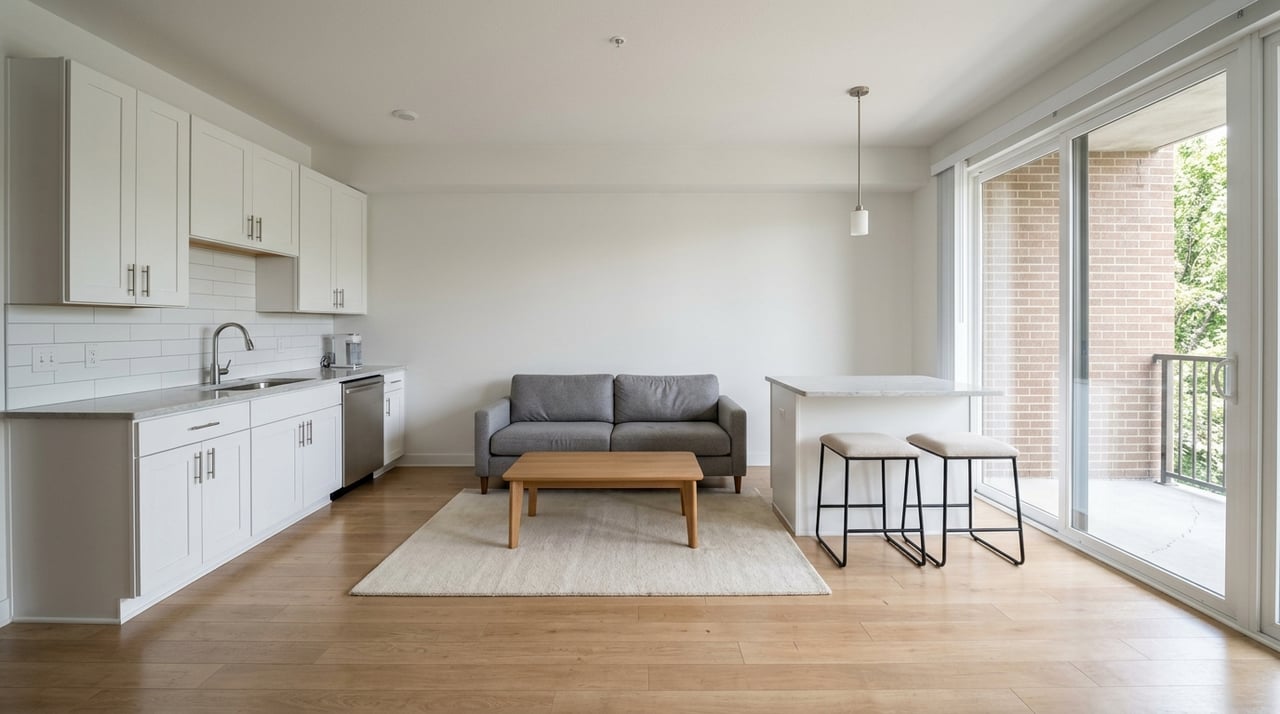
Downtown condo options in La Crosse tend to cover a useful range of layouts and sizes. Recent examples include one- to three-bedroom units with one to three bathrooms, open living spaces, loft or flex areas, in-unit laundry, and either balconies or rooftop access.
That means you are not limited to one type of buyer profile. You may find a compact urban home, a larger full-time residence, or a lock-and-leave option that feels easier to manage than a detached house.
Newer buildings vs. character spaces
Some downtown condos lean more modern, with features like elevators, security access, community rooms, guest suites, and rooftop terraces. Others are in older or converted buildings that bring more architectural detail, such as exposed brick, restored hardwood floors, tall ceilings, and skylights.
Neither style is automatically better. The right fit depends on whether you value newer shared amenities, lower-maintenance systems, and a polished feel, or whether you are drawn to historic character and one-of-a-kind design.
Walkability and daily convenience
One of the clearest advantages of downtown living is how easy daily life can feel without depending on your car for every trip. La Crosse has been recognized as a Bronze-level Walk Friendly community, and one current downtown condo building page shows a Walk Score of 87 and a Bike Score of 99.
If you already enjoy walking or biking as part of your routine, that can make condo living especially appealing. It often works best for buyers who want a more connected, on-the-go lifestyle.
Transit access downtown
Public transit is another plus. La Crosse MTU operates eight fixed routes and two flex routes, with most routes running seven days a week. Grand River Station on Jay Street serves as a downtown transit hub.
For some buyers, that adds flexibility for work, appointments, or getting around without driving every day. Even if you own a car, nearby transit can still make downtown life more convenient.
Parking matters more than you think
Parking is one of the biggest lifestyle questions to answer before you buy a downtown condo. Some units include a garage or dedicated parking, while others may rely more on city ramps, surface lots, or street options nearby.
The city’s parking ramps and lots are open 24 hours. Standard paid parking generally runs Monday through Saturday from 6 a.m. to 10 p.m., with a normal rate of $1 per hour and a $10 daily maximum. Monthly permits are listed at $40 to $50, though event parking rates can change the usual pricing.
Before you fall in love with a unit, make sure you understand the real parking setup. Ask questions like:
- Is parking deeded, assigned, or first come, first served?
- Is a garage included in the sale?
- Will you need a monthly permit?
- How does guest parking work?
- Do event days affect nearby parking availability?
Bike storage can matter too. Main Street and Market Square offer bike lockers for rent, which can be a useful detail if you plan to bike regularly.
HOA dues and what they really cover
Many buyers focus first on the monthly HOA number, but that only tells part of the story. Recent downtown examples show that dues can vary quite a bit, from about $46 per month on one unit to about $265 per month on another.
That gap does not automatically mean one building is a better deal. In condo living, the more important question is what the dues actually include.
What HOA dues may include
Depending on the building, dues may help cover:
- Common-area maintenance
- Building insurance for shared structures
- Security features
- Elevator access and upkeep
- Shared amenity maintenance
A lower fee may sound attractive, but you should compare it against what the association is responsible for and how the building is maintained. A higher fee may reflect more services, more amenities, or different reserve needs.
How condo ownership works in Wisconsin
In Wisconsin, condo ownership means you own your unit and also an undivided interest in the common elements. The association manages the common property, sets budgets and assessments, and typically controls the building structure and shared spaces.
That setup can be a major benefit if you want less exterior upkeep than a detached home. At the same time, it means you are part of a shared financial and decision-making structure, which is why due diligence matters so much.
Documents buyers should review
Wisconsin requires detailed condo disclosures. Sellers must provide governing documents, budgets, floor plans, and other materials, including recent financial statements, board and owner meeting minutes, and information about contemplated or pending special assessments.
The state disclosure form also gives buyers a five-business-day rescission window after receiving the required materials. That makes it especially important to review the full package carefully and quickly.
When you are evaluating a downtown condo, pay close attention to:
- Monthly dues and what they include
- Reserve fund health
- Recent financial statements
- Board and owner meeting minutes
- Pending or contemplated special assessments
- Pet rules
- Rental caps or leasing restrictions
- Parking rules and storage access
Historic district rules to understand
Some downtown La Crosse blocks are inside designated historic districts. The city lists the Downtown Commercial District on its historic registers and provides design standards and certificate-of-appropriateness forms for the Downtown Commercial Historic District.
For you as a buyer, that can matter more than expected. Exterior changes and some building alterations may be more regulated than they would be in a newer development.
If you are considering a unit in a historic building, ask whether any planned exterior work could require additional review. That may affect windows, façades, or other visible building changes over time.
Insurance is different from a house
Condo insurance is not the same as insurance for a detached home. In Wisconsin, the Office of the Commissioner of Insurance says an HO-6 policy is designed for condo owners and generally covers your unit interior and personal property, while the association insures the building structure and common property.
You should also ask about loss-assessment coverage and whether separate flood insurance may be advisable, since standard condo policies do not cover flood losses. This is one more reason to understand exactly where the association’s responsibility ends and yours begins.
Who downtown condo living fits best
Downtown condo living is often a strong fit if you want a central location, less exterior maintenance, and easy access to dining, transit, and entertainment. It can also work well if you like a lock-and-leave lifestyle or want a home that feels more connected to city activity.
It may be a weaker fit if you want a large yard, a detached garage, more private storage, or total freedom from association rules and monthly dues. The lifestyle can look great on paper, but the practical details are what determine whether it truly works for you.
Good signs it may be right for you
A downtown La Crosse condo may be a good fit if you:
- Prefer walkability over a larger lot
- Want less exterior maintenance
- Like being near restaurants, shops, and events
- Are comfortable with shared rules and HOA dues
- Value security features or shared amenities
- Do not need extensive private storage or workshop space
Signs you may want other options
You may want to explore other property types if you:
- Need multiple private parking spaces
- Want a yard for outdoor use
- Dislike shared walls or shared decision-making
- Want more control over exterior changes
- Need predictable freedom from HOA policies
How to evaluate a condo with confidence
The best downtown condo is not just the one that photographs well. It is the one that matches your daily routine, budget, and comfort level with the building’s rules and finances.
As you compare options, try to balance lifestyle appeal with careful review of the association documents. A great showing experience is only the first step.
Use this quick checklist as you narrow your search:
- Confirm whether parking is included, assigned, or extra
- Review HOA dues alongside what they cover
- Ask about special assessments and reserve funds
- Check for rental restrictions and pet policies
- Understand insurance responsibilities
- Verify whether the building is in a historic district
- Think honestly about how often you will walk, bike, or use transit
If you want help sorting through downtown La Crosse condo options, building documents, or neighborhood fit, Favre & Co. can help you compare the details and move forward with clarity.
FAQs
What makes downtown La Crosse condo living appealing?
- Downtown La Crosse condo living appeals to many buyers because it offers walkability, access to local restaurants and shops, proximity to transit, and less exterior upkeep than a detached home.
What do HOA dues cover in downtown La Crosse condos?
- Downtown La Crosse condo HOA dues may cover common-area maintenance, building insurance for shared structures, security, elevator upkeep, and shared amenity maintenance, depending on the building.
Is parking included with downtown La Crosse condos?
- Parking for downtown La Crosse condos varies by building and unit, so you should confirm whether a garage, assigned space, permit parking, or nearby city ramp access is included.
Are some downtown La Crosse condo buildings in historic districts?
- Yes, some downtown La Crosse condo buildings are in designated historic districts, which can mean exterior changes or some building alterations are subject to added review.
What insurance do you need for a condo in Wisconsin?
- Wisconsin condo owners typically use an HO-6 policy for the unit interior and personal property, while the condo association generally insures the building structure and common property.
What documents should buyers review for a downtown La Crosse condo?
- Buyers should review condo governing documents, budgets, financial statements, floor plans, meeting minutes, and any information about pending or contemplated special assessments.
Who is a good fit for downtown La Crosse condo living?
- Downtown La Crosse condo living is often a good fit for buyers who want a central location, walkability, lower exterior maintenance, and are comfortable with HOA dues and shared community rules.