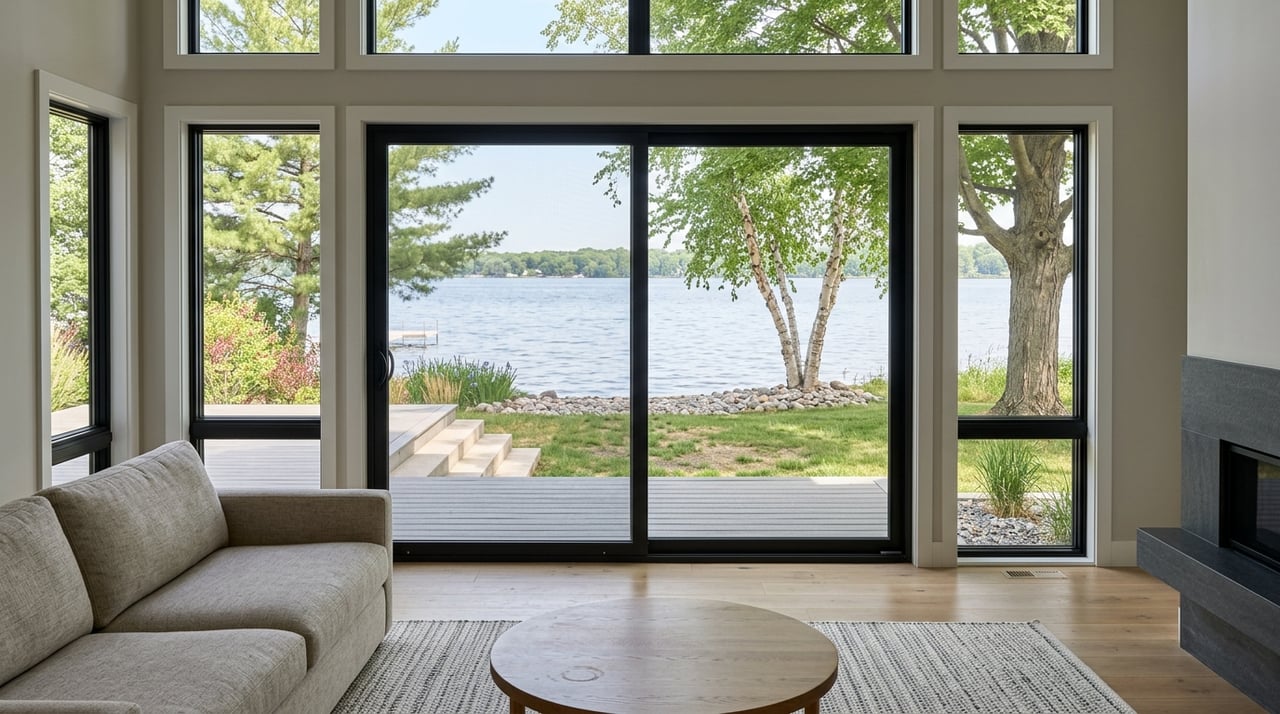
Dreaming about a place near the water in Onalaska? Lakefront and lake-access homes around Lake Onalaska can offer a lifestyle many buyers want, but they also come with extra layers of research that matter before you make an offer. If you want to understand the difference between true waterfront and simple access, what permits to check, and how to buy with confidence, this guide will help you focus on the details that count. Let’s dive in.
Understanding Lake Onalaska Homes
Lake Onalaska is a large, roughly 7,700-acre waterbody within the Mississippi and Black River system, bounded by Lock and Dam 7, the Black River delta, and barrier islands, according to the Wisconsin DNR’s Pool 7 overview. That setting is part of what makes this area appealing, but it also means shoreline conditions, water levels, and seasonal use can vary.
The lake environment is not uniform from parcel to parcel. The DNR notes shallow nearshore areas, aquatic vegetation, sedimentation, and summer algae issues that can affect boating and shoreline use. For you as a buyer, that means two homes on the same lake can function very differently in day-to-day use.
Lakefront vs Lake-Access
One of the biggest mistakes buyers make is assuming all “lake” properties offer the same rights and experience. In the Onalaska area, lake-access can mean several different things, and the wording in a listing does not always tell the full story.
A property may offer:
- Direct frontage on Lake Onalaska
- A shoreline use area through a local permit or lease arrangement
- Nearby boat landing access without deeded waterfront
- A buildable lot marketed for water-oriented living rather than direct shoreline ownership
Current search results show that the local inventory is mixed, with finished homes, waterfront properties, access properties, and lots all appearing in the market. Some Brice Prairie listings, for example, have been advertised with boat landing access and walking trails rather than deeded waterfront. That is why it helps to search broadly and confirm exactly what kind of water access comes with any property you consider.
What to Confirm Early
Before you fall in love with a dock, lift, or shoreline setup, ask direct questions. Around Lake Onalaska, not every improvement automatically transfers with the sale.
The Town of Onalaska issues 3-year revocable shoreline permits for adjacent owners to use the shoreline through docks, steps, boatlifts, and small storage boxes, and those permits are non-transferable when a property is sold. That is an important local issue because buyers may assume these features are included in a permanent way when they may not be.
The Wisconsin DNR generally says existing pier-type permits usually transfer with the land, but local permit rules can work differently. Because of that, you should verify the exact permit status, lease status, and ownership status for any dock, lift, steps, or shoreline improvement before closing.
Ask for clear answers on these items:
- Is the shoreline access deeded, leased, permitted, or informal?
- Are the dock, lift, steps, and storage features legal and permitted?
- Will those items stay with the property at closing?
- If a permit exists, does it transfer, or will you need to reapply?
- Are there any known restrictions on placement, seasonality, or use?
Shoreland Rules That Affect Value
If you are buying near the water, the lot’s layout and improvement potential matter almost as much as the house itself. Shoreland zoning can affect what you can build, expand, replace, or hardscape later.
La Crosse County’s shoreland zoning ordinance generally requires a 75-foot setback from the ordinary high-water mark, a 35-foot vegetative buffer, and limits impervious surface to 15 percent within 300 feet of the water, with some mitigation pathways that may allow more in certain cases. The City of Onalaska’s shoreland overlay also applies within 1,000 feet of navigable lakes and uses a 35-foot buffer plus setback rules tied to nearby lots or 35 feet, whichever is greater.
These rules can affect plans for:
- Home additions
- Garages or accessory structures
- Patios and driveways
- Shoreline improvements
- Vegetation clearing
- Rebuilding after major damage
If you are buying a property because you hope to expand it later, this is one of the first zoning conversations to have.
Floodplain Review Matters
Water views can be exciting, but floodplain review should be part of your offer strategy, not something you look at after inspections. Properties near navigable water may carry design, insurance, or improvement limits depending on the parcel.
The City of Onalaska’s floodplain code warns that larger floods can occur and requires flood-resistant design in mapped flood-prone areas. The DNR also recommends checking FEMA flood maps and local zoning before buying waterfront property.
For you, that means it is smart to confirm:
- Whether the home is in a mapped flood-prone area
- Whether past improvements appear compliant
- Whether future remodeling plans may face extra review
- Whether flood insurance could be a factor in your ownership costs
Wells, Septic, and Utility Questions
Some lake-oriented homes and lots may not have the same public utility setup you would expect in a typical subdivision. That is why water and wastewater questions deserve real attention during due diligence.
La Crosse County’s sanitation code requires sanitary permits for private onsite wastewater treatment systems and provides buyers written notice of the maintenance program at sale. The county generally requires older POWTS systems to be inspected and or pumped every three years.
The county also uses private well location permits, and the DNR says a buyer may choose a property-transfer well inspection by a licensed well driller or pump installer. If a home has a private well or septic system, it is worth understanding its age, maintenance history, location, and any upcoming service needs before you commit.
Think Beyond Summer
It is easy to picture yourself on the water in July. A smarter buying decision comes from asking how the property works all year.
According to the U.S. Fish and Wildlife Service boating guidance, boating is most common from May through September, and route conditions can change with water levels and after storms. La Crosse County water patrol covers Lake Onalaska during the Memorial Day to Labor Day season, and heavy summer boat traffic is part of the normal pattern.
Fall and winter matter too. The refuge notes a Lake Onalaska voluntary waterfowl avoidance area in fall, and winter use includes ice shanties and tents on frozen water. If you are buying for lifestyle, ask how the property performs in open-water season, shoulder season, and ice season.
Boating and Access Questions to Ask
The lake’s connection to the Mississippi River system adds opportunity, but also complexity. Water levels, navigation patterns, and seasonal conditions can affect how easy it is to launch, dock, and move around.
When touring homes, ask:
- How deep is the water near shore during typical boating season?
- Does aquatic vegetation affect docking or boat movement?
- How does the owner access the lake during low or changing water conditions?
- Is the route practical for the type of boat you own?
- Are there seasonal restrictions or habits local owners follow?
The DNR also reminds boaters to clean, drain, and dry boats and trailers before moving them to inland waters to help reduce the spread of invasive species. If you plan to keep a boat on-site or use multiple waterways, that is part of responsible ownership.
Buyer Strategy in a Mixed Inventory
Lake-oriented housing in Onalaska does not always come to market in one neat category. You may find direct waterfront, partial-access homes, and buildable lots all competing for attention at the same time.
That makes it important to stay flexible. If your top goal is getting on the water, you may want to compare a finished home with a nearby access arrangement against a direct-frontage property that needs more updates. If your priority is long-term customization, a buildable lot may be worth considering, but only after reviewing wetlands, shoreland rules, and improvement limits.
Broader Onalaska market data also supports being prepared to act when the right fit appears. Realtor.com’s December 2025 city dashboard reported 83 homes for sale and 73 median days on market for Onalaska overall, which is not lake-specific but does suggest you should be organized when a strong lake property becomes available.
Build Your Due Diligence Team
The strongest offers are not just competitive on price. They are backed by a smart plan.
For many buyers, that means getting preapproved and lining up the right specialists early, including:
- A home inspector
- A licensed well professional, if the property has a private well
- A septic or POWTS professional, if applicable
- A zoning or shoreline contact before closing
Because rules can vary by parcel, it helps to treat each lakefront or lake-access property as its own case. Good guidance can save you from buying a home that looks perfect online but comes with access, permit, or improvement limits you did not expect.
How Favre & Co. Helps
Buying near Lake Onalaska is not just about finding a house. It is about understanding the parcel, the access, the rules, and the way you want to live on and around the water.
At Favre & Co., you can expect responsive buyer guidance, local market insight, and the kind of step-by-step support that helps you make confident decisions in a detail-heavy purchase. Whether you are relocating, buying your first lake-oriented home, or comparing land and residential options, the right local team can help you ask better questions from the start.
FAQs
What is the difference between lakefront and lake-access homes in Onalaska?
- Lakefront usually means direct frontage on the water, while lake-access may mean a permit-based shoreline use area, nearby boat landing access, or another non-deeded access arrangement.
Do shoreline permits transfer with Lake Onalaska properties?
- Not always. The Town of Onalaska’s shoreline permits for items like docks, steps, and boatlifts are non-transferable when a property is sold, so you should verify the exact local permit status before closing.
What shoreland zoning rules should buyers check in Onalaska?
- Buyers should review setback, vegetative buffer, and impervious surface rules, since those can affect additions, garages, patios, shoreline work, and future remodeling plans.
Why should buyers review floodplain status for homes near Lake Onalaska?
- Floodplain status can affect building requirements, future improvements, insurance costs, and how a property must be designed or updated over time.
What inspections matter for lake-access and waterfront homes in Onalaska?
- In addition to a general home inspection, buyers should consider well, septic or POWTS, zoning, and shoreline-related reviews when those features apply to the property.
Is Lake Onalaska only a summer market for buyers?
- No. Boating is most common from May through September, but buyers should also consider fall access patterns, winter ice use, and how the property functions across different seasons.