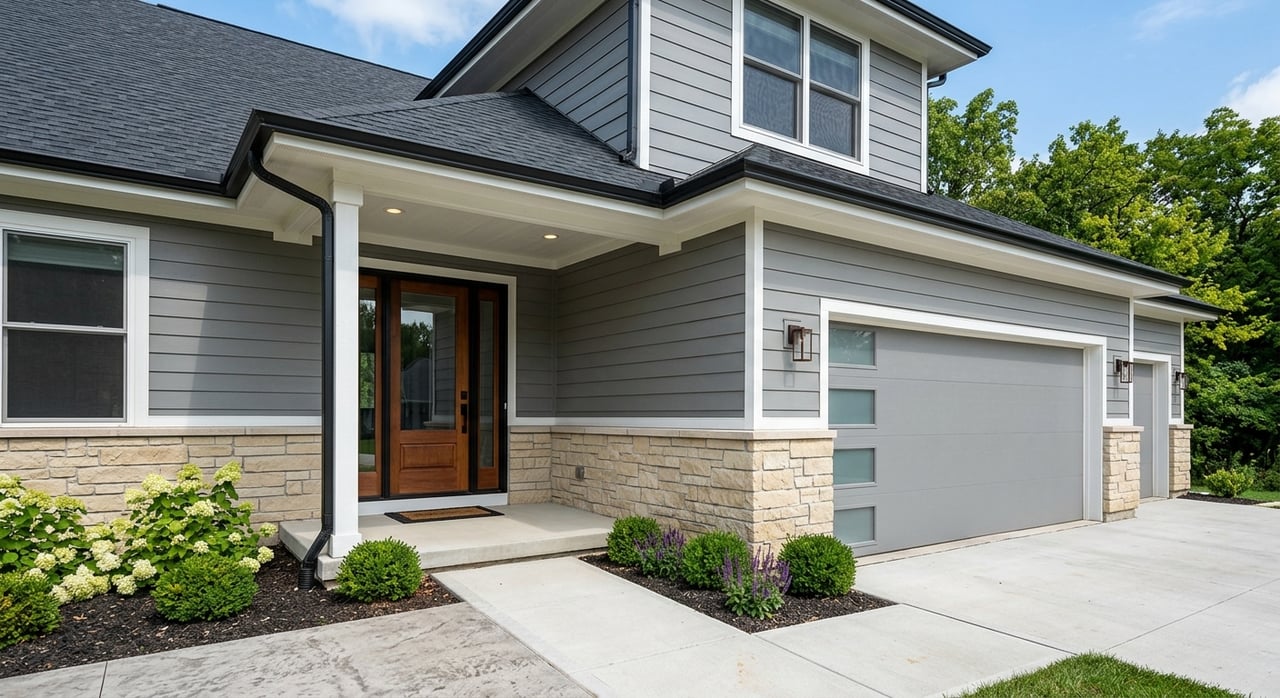
Thinking about building near Holmen? It is exciting to picture the floor plan, finishes, and lot that fit your next chapter, but the real work often starts long before the first shovel hits the ground. If you want to avoid surprise costs, permit delays, or a lot that is harder to build on than it looks, you need a clear plan early. Here is what to know before you commit to new construction near Holmen.
Why location details matter near Holmen
When people say they want to build "near Holmen," they may mean a lot inside the Village of Holmen or a parcel in unincorporated La Crosse County. That difference matters because the rules, permits, and oversight can change based on where the property sits. In this area, jurisdiction is not a small detail. It shapes your timeline, approvals, and budget.
Holmen is a growing community, and local planning plays a big role in how new construction moves forward. The village points to a 2025 comprehensive plan, future land use maps, an official map, and corridor plans for areas like Seven Bridges TID and S. Holmen Drive/Highway 35. That means your lot is often part of a larger land-use and infrastructure plan, not just a standalone purchase.
If the property is in unincorporated La Crosse County, county rules come into play instead. The county states that it does not have zoning authority inside the Village of Holmen, but it does administer zoning in unincorporated towns. It also handles floodplain and shoreland ordinances in unincorporated areas.
Start with lot due diligence
Before you fall in love with a lot, make sure you understand what it can realistically support. A parcel may look buildable at first glance, but access, utilities, setbacks, and environmental constraints can affect what you can actually do. Early due diligence can save you time and money.
La Crosse County highlights several items buyers should check before construction. These include zoning, street access, utility access, easements, and whether the parcel is in a floodplain, shoreland district, wetland, or another constrained area. These are not small technicalities. They can directly affect whether permits are required, what kind of design is possible, and how much site work you may need.
For lots inside village subdivisions, the process can be more structured than many buyers expect. Holmen’s land division rules state that subdivision street layouts must conform to the village’s official map or master plan, and each lot must have access to a public street. The rules also allow for park or public-use dedication in new land divisions, which can affect lot design and cost.
Check utilities, septic, and well options early
One of the biggest early questions is how the home will be served. Some lots may have access to village water and sewer, while others may require private systems. That choice affects both your permitting path and your budget.
If you are looking at a more rural parcel around Holmen, septic and well feasibility should be part of your first round of questions. La Crosse County says buyers need a sanitary permit and a well location permit before the building project starts. The Wisconsin DNR also requires advance notice and a well construction notification number before a new private well is constructed.
The DNR states that a licensed water well driller must construct the well, although a property owner can drill or drive a well on their own property. If the parcel will rely on private water, it is also wise to budget for water testing and ongoing maintenance. Wisconsin health guidance notes that private well owners are responsible for testing and addressing water quality concerns.
Understand floodplain and shoreland rules
Some of the most important lot questions involve environmental restrictions. If your parcel falls within a floodplain or shoreland area, your approval path may become more detailed. In some cases, extra reviews or engineering may be needed.
La Crosse County says a floodplain land use permit is required in the flood fringe district. The county also says a shoreland permit is required within 300 feet of a navigable river, creek, or stream, within 1,000 feet of a navigable lake, or within a floodplain or wetland. For some applications in these areas, engineer review or certification may also be required.
That is why lot feasibility should come before builder selection or plan customization. A great house plan still needs to fit the site and satisfy local rules. If the lot has special constraints, you want to know that before you finalize pricing or construction timing.
Know what permits are required
Building a new home near Holmen involves more than one form and a simple floor plan. Holmen’s Building & Inspections Department says permits and fees are required for most building-related activities. For one- and two-family homes, Wisconsin’s Uniform Dwelling Code is the statewide code that applies.
Holmen’s new-home packet shows how detailed the submittal process can be. It requires a state building permit application, a village addendum, plumbing or sewer hook-up permit, unmetered services application, driveway or utility construction permit, elevation and drainage plan, erosion control plan and checklist, wall bracing worksheet if needed, a UDC compliance certificate, energy compliance documentation, and a full set of building plans.
Those plans must go beyond a simple sketch. The village expects details such as room layout and use, doors and windows, structural features, stairs, plumbing fixtures, heating and cooling equipment, braced wall lines, exterior materials, and grade, footing, and foundation information. In other words, local approval depends on a build-ready package.
What the timeline can look like
If your lot is county-regulated rather than village-regulated, zoning and related approvals often come first. La Crosse County says zoning permit applications are processed in the order received and typically take one to two weeks. The county also states that zoning permits cannot be issued until all other applicable permits are in place.
That sequence matters when you build your schedule. If floodplain, shoreland, septic, well, or engineering approvals are needed, they can affect when the main zoning permit is issued. This is one reason new construction timelines can shift more than buyers expect.
There is also a practical warning here. Holmen’s 2026 fee schedule says any work started without first obtaining a building permit is subject to double inspection fees. Starting too early is not a shortcut. It can create avoidable costs.
Budget beyond the house itself
One of the biggest mistakes buyers make is focusing only on the builder’s base price. Near Holmen, the lot, permit path, and utility setup can add meaningful costs before trade permits and other site-specific work are even counted. A clear line-item budget matters.
Holmen’s 2026 fee schedule gives a helpful snapshot of official village costs for a new one- or two-family home. It lists an inspection fee of $0.33 per square foot with a minimum of $847, plus a residential impact fee of $5,275 per unit, a $94 plan review, a $94 occupancy certificate, a $40 state seal, a $165 erosion control fee, a $125 storm water permit, a $50 street opening permit, and a $97.82 unmetered water or sewer service permit.
Using the minimum inspection fee, a 2,000-square-foot new home would total $6,787.82 in required village fees before trade permits and utility hookup charges. That example shows why official fees deserve a place in your budget from day one. They are not minor add-ons.
Plan for utility and carrying costs
It is also smart to look past construction and think about ownership costs once the home is complete. Village utility charges are part of the longer-term picture. They may not change your decision, but they should be part of your planning.
Holmen’s current residential utility charges include fixed quarterly charges for water, sewer, stormwater, refuse and recycling, and public fire protection. Together, those fixed charges total $125.25 per quarter, or about $501 per year, before water and sewer usage charges. Sewer connection-related charges can also vary based on where the lot is located and how the home connects to the system.
If your property uses private septic or a private well, your cost structure will look different. In that case, sanitary permitting, well notification, testing, and ongoing maintenance should all be budgeted separately.
Compare builders the right way
When you evaluate builders, the base price is only one piece of the picture. A lower headline number can still lead to a higher total cost if key items are excluded. The better question is not just "How much is the house?" It is "What is included, and what is not?"
Based on Holmen’s permit packet and fee structure, it is smart to separate the home price from site work, grading, drainage, utility connections, permit fees, impact fees, allowances, and change orders. This helps you compare quotes on equal footing. It also helps you spot gaps before they become surprises.
Useful questions to ask include:
- Who handles permit coordination?
- What is included in the base price?
- What site work is included?
- What allowances are provided for cabinets, flooring, lighting, and fixtures?
- How are change orders priced?
- What happens if the lot needs survey, drainage, engineering, septic, or well work before construction begins?
New construction versus existing homes
For many move-up buyers, the real decision is not just whether to build. It is whether the benefits of new construction outweigh the certainty of buying an existing home. Both paths can make sense, depending on your priorities.
New construction gives you more control over layout, finishes, and how the home fits your needs. At the same time, the local permit stack shows why building can be more sensitive to lot conditions, utility access, and scheduling changes. Existing homes may offer more certainty on timing and total cost, while a new build can offer more customization.
A smart first-step checklist
If you want to plan new construction near Holmen with fewer surprises, focus on the basics before you commit. The strongest local approach is to treat your decision as a lot-feasibility and budget-management exercise first, and a design decision second. That mindset can protect both your timeline and your wallet.
Use this early checklist:
- Confirm whether the lot is inside the Village of Holmen or in unincorporated La Crosse County
- Verify zoning and public street access
- Check utility availability or confirm the septic and well path
- Review floodplain, shoreland, wetland, and easement issues
- Understand required permits, approvals, and likely timeline
- Build a line-item budget that includes fees, site work, and utility-related costs
- Compare builders based on full scope, not just base price
Building near Holmen can be a great move when the planning is solid from the start. If you want help evaluating lots, comparing your options, or deciding whether building or buying makes more sense for your timeline, the local team at Favre & Co. is here to help you move forward with clarity.
FAQs
What does "near Holmen" mean for new construction planning?
- It can mean a lot inside the Village of Holmen or a parcel in unincorporated La Crosse County, and that distinction affects zoning, permits, and which local authority oversees the project.
What should you check before buying a lot near Holmen?
- You should review zoning, street access, utility access, easements, and whether the parcel is in a floodplain, shoreland district, wetland, or another constrained area.
What permits may be needed for building near Holmen?
- Depending on the property, you may need building permits, zoning approvals, plumbing or sewer-related permits, erosion control documents, driveway or utility construction permits, and in some cases floodplain or shoreland permits.
What are some official Village of Holmen fees for a new home?
- The village lists fees such as inspection, impact, plan review, occupancy certificate, state seal, erosion control, storm water, street opening, and unmetered water or sewer service permit fees, with a 2,000-square-foot example totaling $6,787.82 before trade permits and utility hookup charges.
Why should you ask about septic and well feasibility near Holmen?
- Rural parcels may require private systems, and those projects can involve sanitary permits, well location permits, DNR notification, testing, and ongoing maintenance responsibilities.
How long do county zoning permits take near Holmen?
- La Crosse County says zoning permit applications are processed in the order received and typically take one to two weeks, but permits cannot be issued until all other applicable permits are in place.