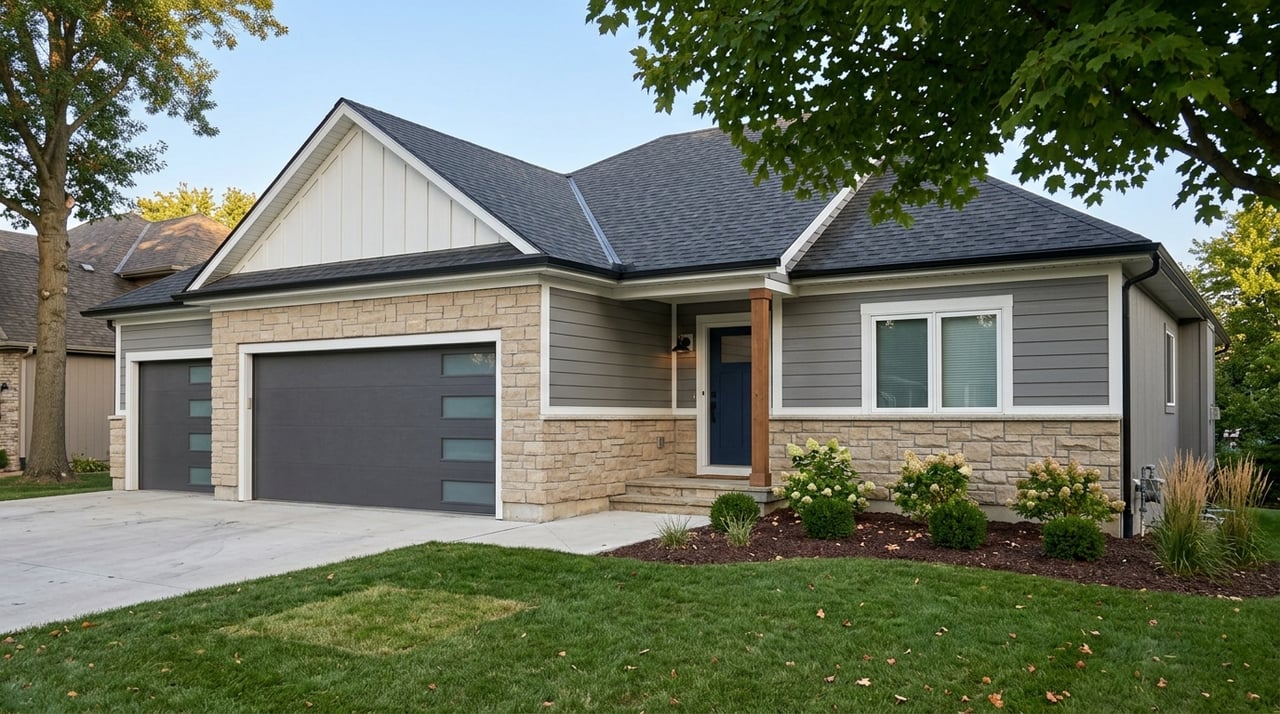
Selling an executive home in La Crosse is not the same as selling the average house down the street. In a market where pricing, buyer expectations, and marketing quality can vary sharply by location and price point, your first impression matters more than ever. If you want to protect your home’s value and attract serious buyers, the right preparation can make a meaningful difference. Let’s dive in.
Why executive homes need a different plan
La Crosse is still a competitive market, but the numbers show why upper-tier sellers need a more tailored strategy. In March 2026, the citywide median sale price was $257,500, with median days on market at 22 and 50% of homes selling above list price. But Downtown La Crosse posted a much higher median sale price of $527,000 and a longer 53-day median days on market.
That gap matters when you are selling an executive home. A citywide median can be too broad to guide pricing at the high end. Instead, your home should be evaluated against comparable properties with similar location, condition, price band, and features.
Higher-end buyers also tend to be more experienced. National 2025 data showed the typical seller had owned their home for 11 years, repeat buyers had a median age of 62, and 30% paid cash. For you, that means many likely buyers may be seasoned, equity-rich, and quick to notice overpricing or uneven presentation.
Start with pre-listing readiness
Before photos, showings, or launch timing, your home needs to be ready behind the scenes. In Wisconsin, owners of residential property with one to four dwelling units generally must provide a Real Estate Condition Report. The standard materials state that the report must be furnished within 10 days after contract acceptance, and if a buyer does not receive it in that window, the buyer may have rescission rights.
That is why pre-listing organization is so important. If you gather key records before your home goes live, you can answer questions faster and more consistently. It also helps reduce stress once buyer interest picks up.
Documents to gather early
A smart pre-listing file often includes:
- Permits for remodeling or additions
- Contractor invoices and receipts
- Appliance and system warranties
- Maintenance records
- Utility or service history if available
- Notes on upgrades, repairs, and replacement dates
For executive homes, this step can be especially important because buyers often ask detailed questions about updates, systems, and workmanship. Being prepared helps your home feel well cared for and well managed.
Fix issues buyers are likely to notice
Not every repair needs to happen before listing, but some issues deserve attention right away. Wisconsin offer materials specifically flag items such as unpermitted remodeling or additions, special districts or assessments, and smoke and carbon monoxide detector compliance. These are not cosmetic details. They can affect disclosures, inspections, and buyer confidence.
If your home was built before 1978, lead-based paint disclosure rules also apply before sale. That does not mean your sale will be difficult, but it does mean early preparation matters.
What to prioritize before listing
Focus first on items that are visible, safety-related, or likely to come up in the condition report or inspection process, such as:
- Deferred maintenance buyers will spot quickly
- Incomplete or aging repair items
- Permit questions tied to additions or remodels
- Nonworking smoke detectors on required levels
- Nonworking carbon monoxide detectors where required
- Small issues that make the home feel less cared for
A polished launch starts with credibility. If buyers see a home that looks clean, maintained, and thoughtfully prepared, they are more likely to view it as worth the asking price.
Make presentation match the price point
Executive buyers expect more than a tidy house. They expect a home that feels intentional, polished, and easy to understand from the moment they see the photos. That is one reason staging and visual marketing carry so much weight.
According to NAR’s 2025 staging report, 83% of buyers’ agents said staging made it easier for buyers to visualize the property as a future home. In the same report, 49% of sellers’ agents said staging reduced time on market, and 29% said staging increased the dollar value offered by 1% to 10%.
For a La Crosse executive listing, those findings support a simple idea: presentation is not an extra. It is part of the pricing strategy.
Focus on the rooms that matter most
If you want the best return on your prep time or staging budget, start with the spaces buyers care about most. The most commonly staged rooms were:
- Living room
- Primary bedroom
- Dining room
- Kitchen
These are often the rooms that shape emotional response and perceived value. If they feel clean, bright, and well balanced, the whole home tends to show better.
Prep steps that usually pay off
The most common seller prep tasks in the 2025 staging report were decluttering, full-home cleaning, and curb appeal improvements. That aligns closely with Favre & Co.’s seller approach, which emphasizes decluttering, depersonalizing, light repairs, and deep cleaning before showings begin.
For many executive sellers, that means:
- Removing excess furniture to improve flow
- Clearing personal items for a cleaner visual field
- Touching up paint and minor wear areas
- Deep cleaning surfaces, floors, windows, and baths
- Refreshing landscaping and entry presentation
A premium result usually comes from a series of disciplined small improvements, not one dramatic change.
Use pricing discipline from day one
One of the biggest mistakes in any market is pricing based on hope instead of evidence. That risk can be even greater at the executive level, where the buyer pool is smaller and buyers are often more informed. In this segment, the wrong price can cost you valuable momentum.
Favre & Co.’s seller guide puts this plainly: fair pricing at the beginning creates the most interest, while overpricing reduces interest and underpricing leaves money on the table. That is especially relevant because the team’s strategy is built to drive the most traffic in the first three weeks of the listing.
Why the first weeks matter
Your initial launch window is often when your home gets the most attention. Buyers who have been waiting for the right property are watching closely, and a strong debut can create urgency. But if the home is overpriced or not fully prepared, that early attention can fade without results.
For an executive home in La Crosse, this means your launch should combine three things:
- A price based on the right comparable sales
- A home that is fully photo-ready
- Marketing assets that reflect the home’s value
When those pieces line up, you give yourself the best chance to attract serious interest early.
Choose timing based on readiness
Spring often gets the most attention as selling season, and for good reason. Realtor.com’s 2025 analysis named April 13 through 19 as the best time to sell nationally, based on stronger prices, peak buyer demand, fewer competing listings, and homes that historically sold about nine days faster than a typical week. Its April 2026 update again pointed to mid-April as the strongest national selling window.
That said, timing only helps if your home is truly ready. A rushed launch can work against you, especially when buyers expect excellent photos, clean presentation, and clear pricing.
The better question to ask
Instead of asking only, "When is the best week to list?" ask, "Will my home be fully prepared by then?"
If the answer is no, waiting until the property is staged, photographed, and priced correctly may be the stronger move. In an executive sale, the quality of the launch often matters more than getting on the market a few days early.
Build a launch that feels premium
A high-end home deserves more than a basic listing entry. Buyers are often forming opinions before they ever schedule a showing, which makes visuals and marketing reach especially important. NAR’s 2025 staging report found that buyers’ agents rated photos, traditional physical staging, videos, and virtual tours as important listing assets.
Favre & Co. is positioned for this kind of launch. The brand emphasizes elevated listing presentation, professional photography, video, targeted ads, print collateral, and direct mail, backed by deep local expertise and a methodical seller process.
What a stronger launch can include
For executive sellers, a polished rollout may involve:
- Professional photography that highlights scale, light, and finishes
- Video that helps buyers understand layout and flow
- Targeted marketing to expand exposure
- Print and direct-mail support where appropriate
- Coordinated showing preparation from day one
This kind of system helps your home enter the market with clarity and confidence, rather than piecemeal updates after the listing is already live.
A simple checklist before you list
If you are preparing to sell an executive home in La Crosse, use this as a starting point:
- Review pricing based on true comparable homes, not citywide averages
- Gather permits, invoices, warranties, and maintenance records
- Address visible repairs and disclosure-related concerns early
- Confirm smoke and carbon monoxide detector compliance
- Declutter, depersonalize, and deep clean
- Prioritize the living room, kitchen, dining room, and primary bedroom
- Refresh curb appeal before photography
- Plan photos, video, and marketing before launch
- List only when the home is fully prepared to compete
A smooth, profitable sale usually starts well before the sign goes in the yard.
If you are thinking about selling an executive home in La Crosse, the right strategy can help you protect your value and reduce unnecessary stress. From pricing discipline to elevated presentation, every step should support a strong first impression and a confident launch. When you are ready for a personalized plan, connect with Favre & Co. to start the conversation.
FAQs
What should you fix before listing an executive home in La Crosse?
- Prioritize visible maintenance, safety items, permit-related concerns, and issues likely to surface in the condition report or inspection.
How much staging does an executive home in La Crosse need?
- If you want to focus your budget, start with the living room, primary bedroom, kitchen, and dining room, since these are the rooms most often staged and most valued by buyers.
When should you list an executive home in La Crosse?
- Mid-April is a strong national timing reference, but the better local rule is to list only after your home is fully prepared, photographed, and priced for its specific La Crosse price band.
Why is pricing an executive home in La Crosse different from pricing an average home?
- Citywide median prices can be a poor guide for upper-tier properties, so pricing should be based on comparable homes with similar location, condition, amenities, and price range.
What documents should you gather before selling a home in Wisconsin?
- Start with permits, contractor invoices, warranties, maintenance records, and upgrade details so you can respond clearly to condition questions and support disclosure readiness.