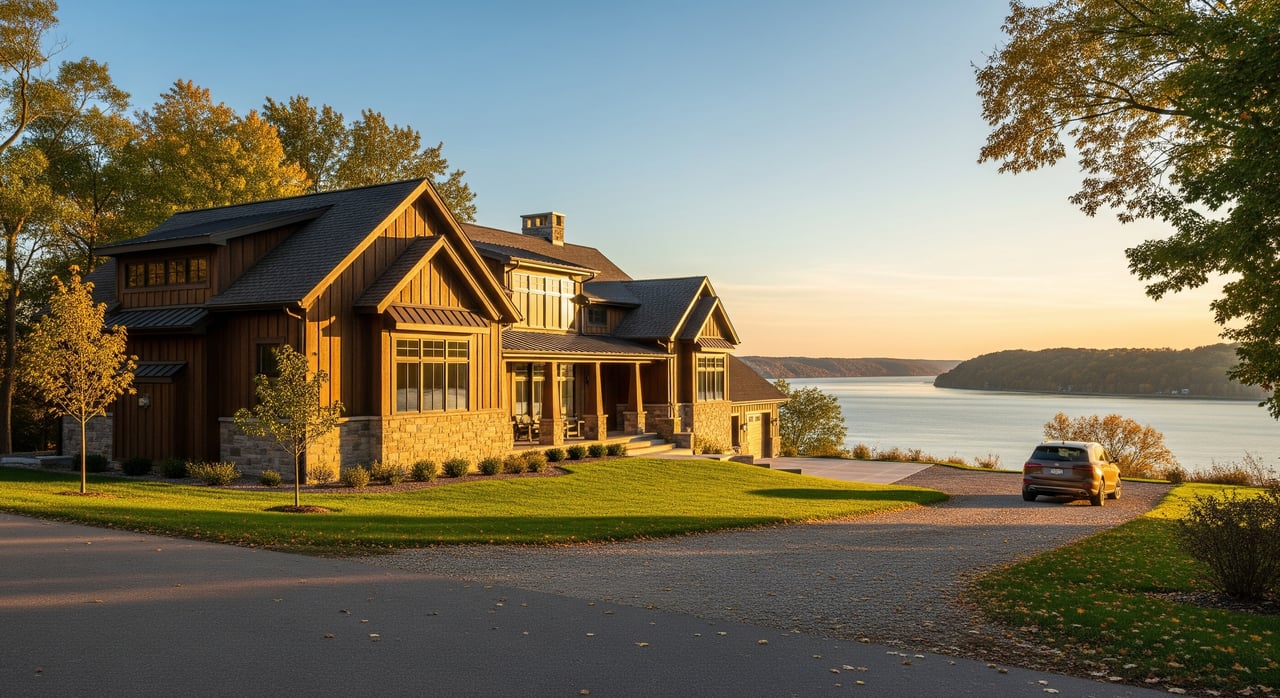
Thinking about a move to Onalaska? If you want lakeside scenery with quick access to La Crosse jobs, healthcare, and everyday essentials, this city belongs on your short list. Choosing the right neighborhood, commute, and lifestyle fit can feel like a lot to sort through. This guide breaks down where to live, how to get around, what daily life looks like, and what to check before you buy. Let’s dive in.
Neighborhood snapshot: where to live
Downtown and riverside
You’ll find older homes, small-town storefronts, and easy access to local services near the river and Lake Onalaska. The area offers walkable blocks close to parks and community events. It is a smart pick if you want character and proximity over yard size.
Good to know: Some streets near the water can be in mapped flood zones. Use the FEMA Flood Map Service Center to verify a specific address.
Lakefront living on Lake Onalaska
Waterfront and near-water homes often command a premium and deliver quick access to boating, fishing, and wildlife viewing. You get sunrise and sunset views, plus seasonal recreation at your doorstep. Buyers here typically plan for specialized inspections and insurance.
Good to know: Shoreline work and docks may require permits. Start with the Wisconsin DNR Waterways permits and the U.S. Army Corps of Engineers regulatory page.
Established residential streets
Across central Onalaska you’ll see mid-century to 1990s single-family homes on tree-lined streets. These areas offer garages, yards, and a neighborhood feel close to schools and parks. If you want predictability and access to amenities, this is a steady choice.
Good to know: Older homes can need updates for roofing, insulation, and mechanicals. Budget for a thorough home inspection.
Newer subdivisions
Newer builds cluster on the edges of town with cul-de-sacs, sidewalks, and modern floor plans. You get efficient systems, open layouts, and fewer near-term repairs. Some communities include covenants or an HOA.
Good to know: Ask about HOA rules, dues, and any planned assessments before you write an offer.
Apartments and condos
You’ll find multi-family options near major corridors and shopping. Condos appeal to downsizers and low-maintenance seekers, while apartments offer flexible leases. This is a convenient base if you want quick commutes and fewer upkeep tasks.
Good to know: Review association bylaws for pet rules, rentals, and maintenance responsibilities.
Rural edge and acreage
On the outskirts you can find larger lots and semi-rural settings within a short drive of town. Privacy and space are the draw. These properties can come with private wells and septic systems that need regular maintenance.
Good to know: Confirm well and septic inspections and understand winter plowing access for longer driveways.
Commutes and transportation
Onalaska functions as a suburban hub for the La Crosse metro, so many residents commute into La Crosse for healthcare, education, retail, and manufacturing jobs. Cross-river travel and bridges are a factor for regional trips. When you compare neighborhoods, test your drive at your typical commute time to see how it feels in real traffic.
Local and regional transit service is centered in La Crosse, with fixed-route and paratransit options and routes that serve Onalaska. If you prefer biking, the region’s trail network is a real plus. The Great River State Trail connects to area paths for riding, running, and winter use.
Winter driving is part of life. The city clears main routes quickly, but storms can slow travel and trigger temporary parking rules. If your route uses low-lying roads near the river, stay aware of high-water advisories during extreme events.
Lifestyle and amenities
Lake Onalaska and the Mississippi River set the tone here. You can launch a boat, cast a line, kayak, or watch migrating birds within minutes of most neighborhoods. City parks and shoreline access points are easy to find on the City of Onalaska website.
Trails and green space are a highlight. In addition to neighborhood parks, you have regional options and state trails for biking, hiking, and cross-country skiing. If you love the outdoors, the area’s year-round recreation is a standout.
Shopping and dining cluster along key corridors with grocery stores, national retailers, and local restaurants. You’ll also find a library, community programs, and seasonal events on the city calendar. Daily errands are simple from most parts of town.
Healthcare access is excellent, with major systems nearby. Residents often visit Gundersen Health System or Mayo Clinic Health System in La Crosse for routine and specialty care.
Schools and learning options
Most addresses fall within the Onalaska School District. School assignments depend on your specific address, and Wisconsin offers open enrollment policies that can affect your options. Always verify boundaries with the district before you buy.
For neutral, statewide data, review the Wisconsin Department of Public Instruction report cards. You’ll also find preschool and childcare providers across the area, though openings can vary seasonally.
Costs, utilities, and permits
Property taxes are set by multiple local entities and vary by home. For current rates and sample bills, start with the La Crosse County treasurer and assessor resources, then compare similar properties.
Water and sewer are typically municipal within the city, while electric, natural gas, and internet providers can vary by block. The City of Onalaska site lists city services and contact details so you can confirm providers before closing. Ask the seller for recent utility statements to estimate your monthly costs.
If you are near the lake or river, check flood risk early in your search. Use the FEMA Flood Map Service Center to see if a property sits in a mapped flood zone, then speak with your insurance agent about coverage and costs. For docks, riprap, boathouses, or shoreline changes, start with the Wisconsin DNR Waterways permits and the U.S. Army Corps of Engineers regulatory guidance.
Your relocation game plan
- Define your must-haves. Rank water access, yard size, commute time, and maintenance level.
- Get pre-approved. Strong financing helps you move quickly when the right home appears.
- Tour smart. Combine in-person visits with Facetime or recorded walkthroughs if you are relocating. Our team supports both.
- Verify details. Confirm floodplain status, utilities, HOA rules, and school boundaries by address.
- Test the commute. Drive it at your normal time on a weekday and again after a weather event.
- Plan inspections. Older homes and waterfront properties deserve added attention from qualified inspectors.
- Price with context. Review recent neighborhood comps to set expectations for offers.
If you want lakeside living with easy access to La Crosse jobs, Onalaska is a strong choice. When you are ready for neighborhood tours, local insights, and a smooth closing experience, reach out to Favre & Co.. We will help you compare areas, navigate inspections and permits, and move with confidence.
FAQs
How does living in Onalaska compare to La Crosse for commuting?
- Many residents commute into La Crosse for work, healthcare, and education. Test your route during peak times and consider bridge traffic and winter conditions.
What should I know about buying near Lake Onalaska?
- Waterfront homes often carry premium pricing and may sit in mapped flood zones. Check the FEMA Flood Map Service Center and budget for specialized insurance and inspections.
Which schools serve my Onalaska address?
- Start with the Onalaska School District to confirm boundaries for your specific address, then review neutral data on the DPI report cards.
Are there HOAs in Onalaska subdivisions?
- Some newer neighborhoods have HOAs or covenants. Ask for rules, dues, and any planned assessments before you write an offer.
How do I check utilities and monthly costs for a specific home?
- Confirm water, sewer, and city services on the City of Onalaska site, ask the seller for recent utility bills, and call providers that serve the block.
What permits do I need for docks or shoreline work?
- Start with the Wisconsin DNR Waterways permits and the U.S. Army Corps of Engineers regulatory pages to confirm what applies to your property.