Wondering which upgrades will actually move the needle when you sell in Monroe County? You’re not alone. You want to improve your bottom line without sinking money into projects buyers won’t pay for. In this guide, you’ll learn the highest‑impact updates for Sparta, Tomah, and the county’s rural properties, what to avoid, and how to plan around local permits and Wisconsin winters. Let’s dive in.
Start with local comps
Before you pick a single paint color, look at the data. Ask a local agent to review recent sold homes near you and note what buyers paid for features like attached garages, updated kitchens and baths, finished basements, or acreage. In Monroe County, expectations can shift between small-city neighborhoods and rural homesteads. A finished lower level might matter more in town, while a dry, functional basement and reliable mechanicals may be enough in the country.
Cold winters also shape buyer priorities. Insulation, roof condition, windows that open and seal properly, and a serviced furnace can be the difference between a fast sale and buyer hesitation.
Plan for codes and permits
Save time and surprises by confirming what needs a permit before you start. Check Monroe County Building and Zoning and the municipal office where your property sits, such as the City of Sparta or the City of Tomah. Structural changes, most electrical and plumbing work, HVAC swaps, many decks, and egress windows typically need permits and inspections. Wisconsin’s dwelling code is administered by the Department of Safety and Professional Services, and local jurisdictions may add their own rules.
If your home was built before 1978, plan for federal lead‑based paint disclosure. Rural properties may require septic or well documentation. For energy-related upgrades, explore Wisconsin rebate programs that can reduce your net costs on insulation, high‑efficiency furnaces, heat pumps, and water heating. Keep receipts, permits, and warranties together so you can show buyers a tidy improvement file.
High‑ROI upgrades: a local checklist
Essential repairs and systems
Fix what inspectors will flag first.
- Roof and leaks: Address active leaks and damaged shingles. Moisture issues push buyers away and invite concession requests.
- Mechanical reliability: Service or replace failing furnaces or boilers. Make sure plumbing and electrical are safe and up to code.
- Rural systems: If you have a well or septic, confirm what documentation buyers expect. Proactively addressing known issues often leads to stronger offers.
Why it pays: Buyers discount homes with unresolved defects more than the repair cost. Removing risk keeps your deal on track.
Curb appeal that photographs well
You want great listing photos and a strong first impression.
- Exterior refresh: Power wash siding, replace broken gutters, repair steps, and touch up paint or stain.
- Low-cost landscaping: Mow, edge, prune, and mulch. Choose plants and materials that handle Wisconsin winters and road salt.
- Lighting and hardware: Update house numbers and entry fixtures for a clean, welcoming look.
Why it pays: Strong curb appeal widens buyer interest and can shorten days on market.
Sensible kitchen updates
You do not need a luxury remodel to get results.
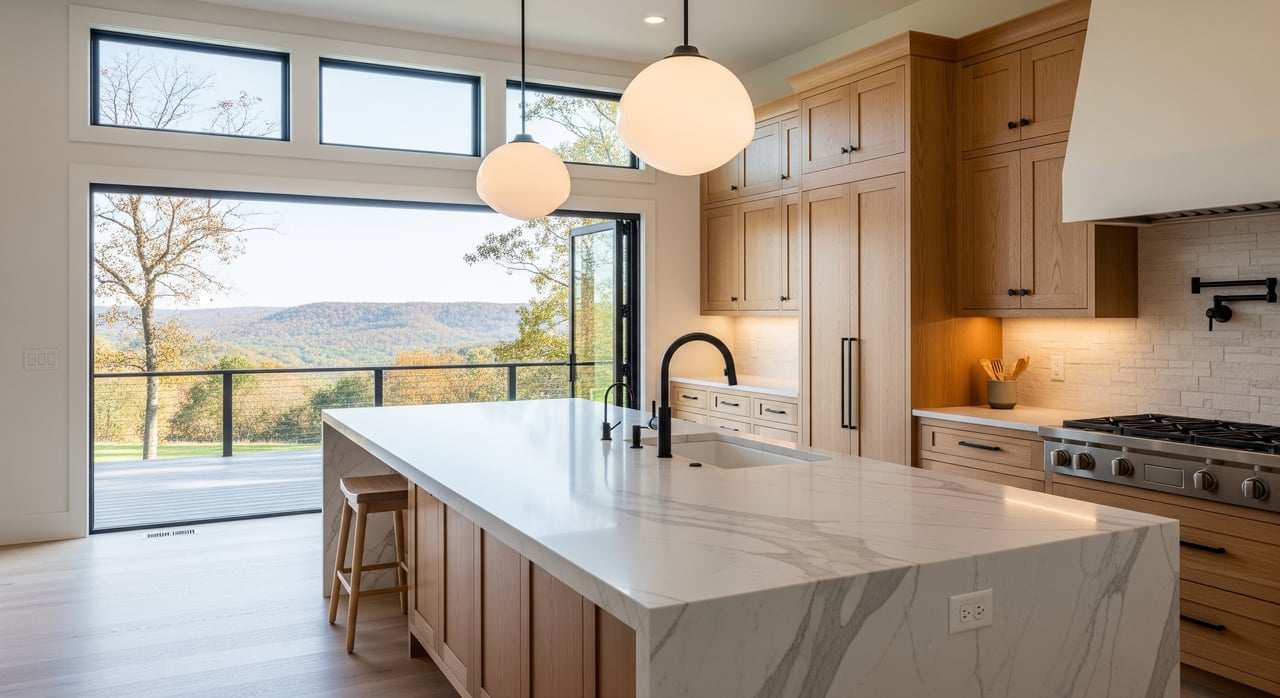
- Targeted refresh: Replace worn hardware and faucets, update lighting, add a backsplash, and swap dated counters for a durable mid-price option.
- Cabinet strategy: Paint or refinish when boxes are sound. Replace only if cabinets are failing.
- Appliances: Replace units that are old or unreliable. Newer, matching appliances read as move‑in ready.
Why it pays: Clean, functional kitchens sell. Mid-market finishes usually return more than high-end custom choices in this area.
Bathroom refreshes
A spotless, modern bath reassures buyers.
- Repair and renew: Re-grout tile, replace tired vanities and fixtures, and update lighting.
- Wet spaces: Address damaged surrounds or soft floors. Keep plumbing work to code.
Why it pays: Buyers favor clean and functional over luxe. Fresh, bright baths reduce objections.
Energy efficiency in a cold climate
Utility costs matter in Monroe County winters.
- Air sealing and insulation: Focus on the attic and obvious gaps. Document the work.
- Heating tune-up or replacement: A serviced or newer furnace signals lower operating risk.
- Windows: Replace only failing units that are drafty, rotted, or stuck. Repair and air sealing can go a long way.
- Smart controls: A programmable thermostat is an easy win.
Why it pays: Documented efficiency upgrades can help your home stand out and reduce buyer concerns about monthly costs.
Flooring and interior paint
A neutral, fresh interior reads move‑in ready.
- Flooring: Replace worn carpet and damaged laminate. Refinish hardwood when possible.
- Paint: Choose light, neutral colors. Repair nail pops and scuffs for a crisp finish.
Why it pays: A clean canvas broadens appeal across many buyer profiles.
Mudroom, garage, and storage
Function matters during Wisconsin’s snow and slush season.
- Entry solutions: Simple lockers, hooks, and bench storage help keep gear organized.
- Garage: Ensure doors and openers work smoothly. Add basic shelving.
Why it pays: Practical storage and tidy entries make everyday living feel easier.
Basement finishing, carefully
Consider local comps before you invest.
- Moisture first: Only finish a dry basement. Address drainage or sump issues beforehand.
- Code details: Bedrooms need egress windows. Confirm headroom and permit requirements.
- Refresh option: If finishing is not cost-effective, brighten walls and floors and stage as clean storage or a hobby area.
Why it pays: Finished space can add value where nearby homes already have it. In rural areas, buyers often accept an unfinished but dry basement.
Decks and outdoor living
Keep it simple and durable.
- Repair or replace: Fix railings, boards, and stairs. Consider composite for low maintenance if comps support the spend.
- Permits: Many decks require permits. Confirm before you build.
Why it pays: Usable outdoor space appeals to family buyers and second‑home shoppers, but keep scope sensible.
Targeted lakefront improvements
If you are on water, buyers notice functionality and safety.
- Shoreline and docks: Stabilize where needed and repair docks. Many shoreline projects require local and state permits.
- Storage and seating: Tidy, safe access with practical boat or gear storage adds perceived value.
Why it pays: Clear, usable waterfront can materially affect buyer interest when it fixes common pain points.
Projects to skip or limit
- Overbuilding for the neighborhood: Ultra-custom kitchens, luxury suites, or big additions rarely pencil if nearby comps are modest.
- Pools and elaborate landscaping: High ongoing costs and limited buyer pool in Wisconsin mean weak ROI.
- Too‑personal finishes: Bold colors and niche materials can shrink your audience.
- Bedroom reductions: Converting a bedroom to a specialty room often hurts value.
- Major regrading or tree removal without guidance: You could create drainage issues or trigger permit needs.
Execution plan and timeline
Use a simple, step‑by‑step approach to protect ROI and your timeline.
- Get local comps and define your target buyer. Confirm which features command premiums in your micro‑market.
- Tackle safety and systems first. Roof, mechanicals, plumbing, and any well or septic concerns come before cosmetic work.
- Choose mid-market finishes. Avoid overspending unless nearby sales support it.
- Gather 2–3 written bids from licensed contractors. Ask for references and proof of insurance.
- Confirm permits with county and city offices. Schedule inspections early so you do not delay listing.
- Sequence for photos. Finish curb appeal, paint, flooring, and kitchen or bath refreshes before professional photography.
- Document improvements. Create a one‑page summary with dates, contractors, warranties, and any energy rebate paperwork.
- Prepare disclosures. For older homes, include required lead‑based paint disclosures and any known defects.
- Consider staging and strong visuals. Once refreshed, use quality photography to showcase light, space, and updates.
Typical timelines
- Minor repairs and touch‑ups: 1 to 3 weeks
- Kitchen or bath refresh: 2 to 6 weeks
- Furnace or roof replacement: 1 to 3 weeks depending on scheduling
- Basement finish or additions: Several weeks to months with permits and inspections
How Favre & Co. helps you net more
You do not need to guess which upgrades matter. With deep local experience across Monroe and nearby counties, we help you benchmark against current comps, set a focused prep plan, and present your home at its best. Our elevated listing presentation uses professional photography and video, targeted digital advertising, and premium print to reach the right buyers quickly.
Behind the scenes, our team structure keeps your sale moving. You get hands‑on leadership plus dedicated operations and transaction coordination for clear communication and fewer surprises. The result is a confident launch, strong showings, and a cleaner negotiation path.
Ready to build your Monroe County prep plan and maximize ROI? Connect with Favre & Co. for a targeted, local strategy.
FAQs
Which Monroe County upgrades usually add the most value?
- Fix essential systems, boost curb appeal, and complete modest kitchen and bath refreshes. Exact ROI depends on recent local comps.
Do I need a permit to finish a basement or add a deck in Monroe County?
- Often yes. Many decks, egress windows, structural changes, and major electrical or plumbing work require permits and inspections. Confirm with county and city offices.
Should I replace my windows before selling in Wisconsin?
- Replace only failing windows that are drafty, rotted, or stuck. Start with air sealing and insulation. Document any energy improvements for buyers.
What if my home has a well or septic system?
- Check local expectations for inspections or certifications and address known issues early. Buyers value clear documentation for rural systems.
Is it smarter to sell as‑is instead of doing upgrades?
- It depends on your market segment and timeline. Small, targeted updates can broaden appeal and reduce negotiation pressure compared with an as‑is listing.